On this day in military history…
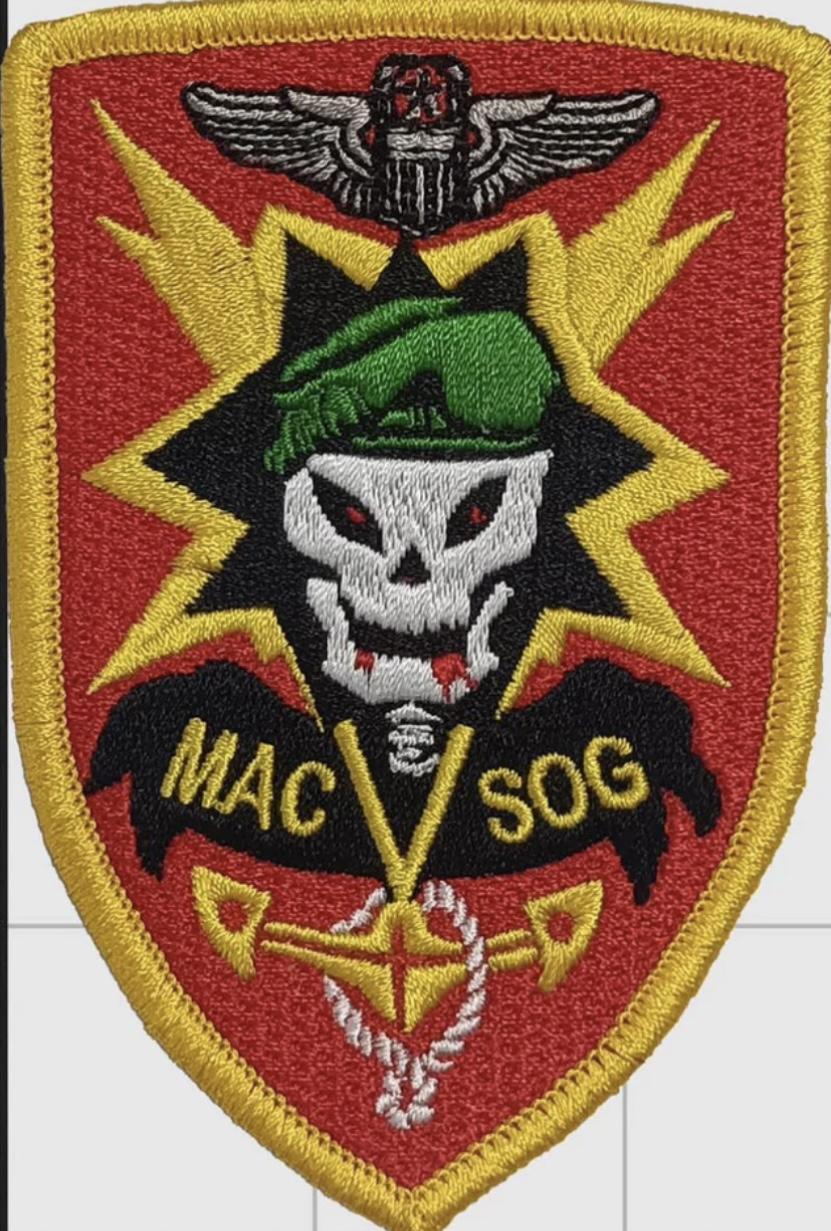
On 24 January 1964, at a time when the Vietnam War was still largely hidden from public scrutiny, a secret organization was formally created that would fight a parallel war beyond official maps and political admissions. The Military Assistance Command, Vietnam – Studies and Observations Group, better known as MACV-SOG, was deliberately given a misleading name to disguise its true function. It was not a research or observation body, but a covert special operations command designed to carry out missions that conventional forces could not openly conduct.
Overall authority for MACV-SOG rested with the commander of Military Assistance Command, Vietnam, but day-to-day control was tightly centralized and closely supervised in Washington. The first commander of MACV-SOG was Colonel Clyde Russell, U.S. Army, who reported through MACV while also coordinating with the Joint Chiefs of Staff and U.S. intelligence agencies. This unusual command arrangement reflected how politically sensitive SOG operations were. Missions were often approved at the highest levels of government, sometimes reaching the Secretary of Defense or the White House itself.
MACV-SOG was never large by conventional military standards, but its influence far exceeded its size. At its peak in the late 1960s, it consisted of roughly 2,000 to 2,500 U.S. personnel. This figure did not include the thousands of indigenous troops who served alongside them, such as Montagnards, Nung mercenaries, and other ethnic minorities recruited for cross-border operations. Typically, a reconnaissance team might consist of two or three Americans leading six to nine local fighters, operating deep inside enemy territory.
Personnel were drawn from across the U.S. armed forces. Army Special Forces formed the backbone of ground operations, but Navy SEALs, Marine Force Recon, Air Force aircrews, and specialists linked to intelligence agencies all played key roles. Training was demanding and often conducted in multiple locations. Initial preparation took place at U.S. special forces facilities, particularly at Fort Bragg in North Carolina, while in-theatre training occurred at bases in South Vietnam such as Da Nang and Kontum. Here, teams rehearsed jungle survival, cross-border insertion, communications, and emergency extraction under conditions meant to mirror the realities they would face in Laos, Cambodia, and North Vietnam.
Throughout the war, MACV-SOG carried out reconnaissance, sabotage, prisoner snatches, psychological warfare, and intelligence-gathering missions that officially did not exist. Casualty rates were extremely high, especially among reconnaissance teams, and many missions ended with fierce firefights against overwhelming enemy forces. Despite this, the intelligence gathered by SOG played a major role in shaping U.S. understanding of enemy logistics and movements, particularly along the Ho Chi Minh Trail.
As American involvement in Vietnam wound down, MACV-SOG was quietly dismantled. In April 1972, the unit was formally disbanded as part of the broader U.S. withdrawal and Vietnamization process. Its personnel were reassigned to other special operations or intelligence roles, and its records remained classified for many years. Unlike conventional units, MACV-SOG did not return home with parades or public recognition. For decades, its veterans were unable to speak openly about what they had done.
Only long after the war did the story of MACV-SOG begin to emerge, revealing the extent of a hidden conflict fought in neutral countries and denied territory. The unit’s legacy lived on, however, influencing the development of modern U.S. special operations forces and shaping how covert warfare would be conducted in the decades that followed.