On this day in military history…
On 15 January 1943 the British Eighth Army under Bernard Montgomery launched its long-prepared offensive against Axis forces holding the defensive line at Buerat in Libya, a position chosen by Erwin Rommel as a temporary barrier to delay the Allied advance westward. This operation marked the next stage of the campaign that had begun with the decisive victory at El Alamein and reflected Montgomery’s methodical approach to warfare, emphasizing overwhelming strength, careful planning, and the avoidance of unnecessary risk.
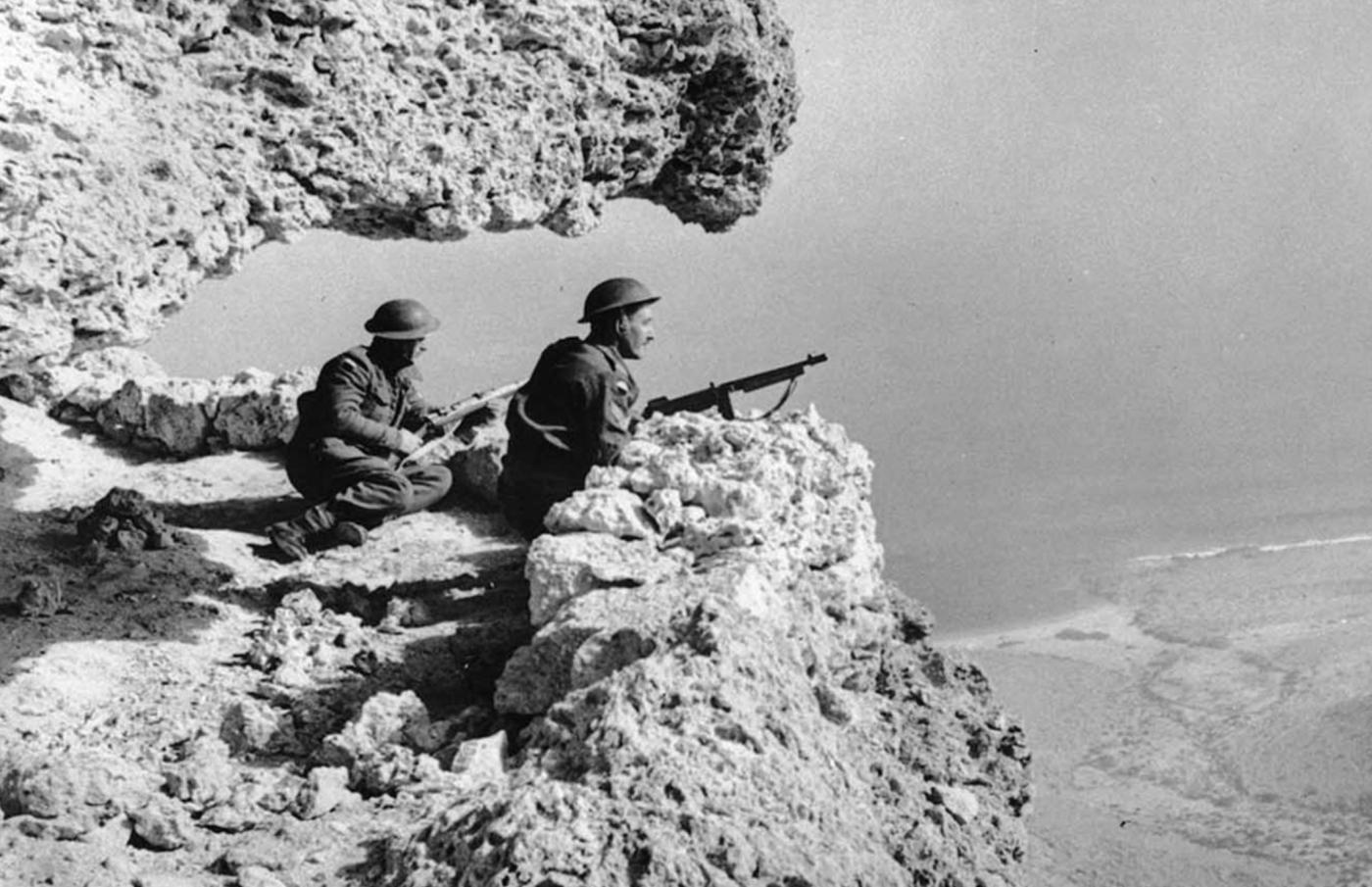
The Buerat line itself was not a fortress in the traditional sense but a naturally strong defensive position anchored on the Mediterranean coast and extending south into the desert, using salt marshes, wadis, and broken ground to restrict movement. Rommel hoped that these features would slow the Eighth Army long enough to allow Axis forces to reorganize and withdraw in good order toward Tunisia, where German and Italian troops were assembling to resist the Allied landings from Operation Torch. By mid-January, however, the Axis position was already weakened by chronic supply shortages, a lack of fuel, and the constant pressure of Allied air power.
Montgomery’s plan was deliberately cautious. Rather than attempting a single dramatic breakthrough, the Eighth Army advanced in stages, using strong reconnaissance, probing attacks, and flanking movements to force the Axis to abandon positions rather than fight costly set-piece battles. Infantry divisions advanced along the coast road while armoured formations moved inland, threatening Rommel’s lines of retreat and making the Buerat position increasingly untenable. Artillery support was massive by desert standards, reflecting lessons learned earlier in the campaign when insufficient firepower had led to stalled attacks.
One interesting aspect of the Buerat offensive was how different it was in tempo and style from earlier desert battles. By January 1943 the Eighth Army was a highly experienced, multinational force that included British, Australian, New Zealand, Indian, South African, and Free French units, all coordinated within a single operational framework. Montgomery placed great emphasis on morale and clarity of purpose, ensuring that troops understood both their immediate objectives and the wider strategic situation, reinforcing confidence after years of hard and uncertain fighting in the desert.
Rommel, for his part, was no longer able to impose his will on events as he had earlier in the war. Ill with exhaustion and increasingly frustrated by interference from higher command, he recognized that Buerat could not be held against a well-supplied and determined enemy. Although Axis troops fought effective rear-guard actions, the lack of fuel and the dominance of Allied aircraft made prolonged resistance impossible. Within days, Rommel ordered a withdrawal, trading ground for time and preserving what remained of his forces for the defence of Tunisia.
The offensive at Buerat is sometimes overshadowed by more famous engagements, but it was strategically significant. It demonstrated that the Axis could no longer establish a stable defensive line in Libya and confirmed that the initiative in North Africa had permanently shifted to the Allies. The steady advance that followed carried the Eighth Army into Tripoli later in January, effectively ending Axis ambitions in Libya and setting the stage for the final battles of the North African campaign.
Another notable factor behind success at Buerat was logistics. The Eighth Army’s supply system had been transformed since early 1942, with improved ports, road networks, and maintenance units ensuring that fuel, ammunition, and spare parts reached front-line formations reliably. This logistical superiority allowed Montgomery to maintain continuous pressure without overextending his forces, a lesson that would later influence Allied operations in Italy and northwest Europe.
In hindsight, the opening of the offensive at Buerat on 15 January 1943 symbolized the maturity of the Allied war effort in the desert. It was not defined by dramatic armoured charges but by a disciplined, relentless advance that forced a skilled and experienced enemy commander to concede ground. The campaign showed that the era of sudden Axis counter-offensives in North Africa was over and that the road toward final Allied victory on the continent was now firmly open.