Crown Prince Rupprecht
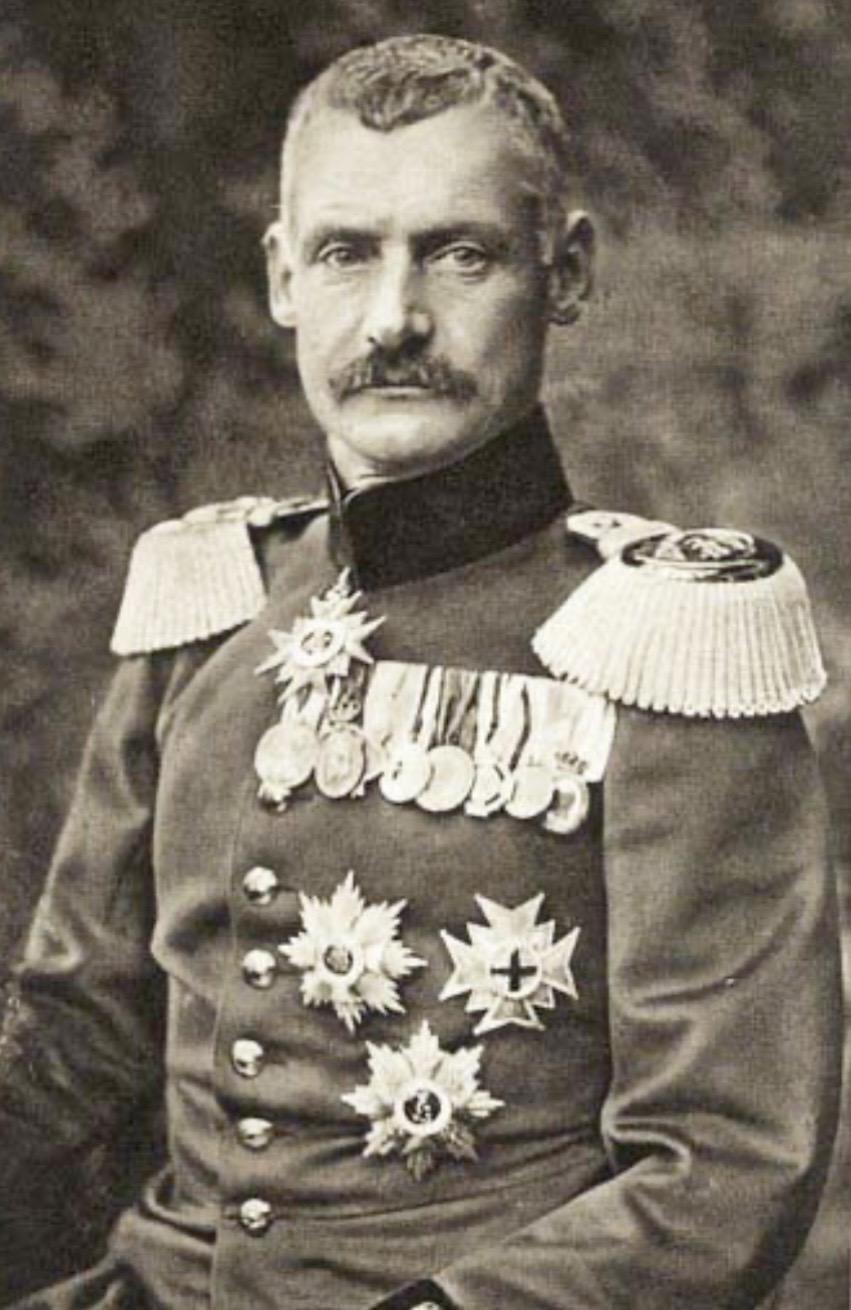
Rupprecht Maria Luitpold Ferdinand was born on 18 May 1869 in Munich, capital of the Kingdom of Bavaria, one of the most important states within the German Empire. He was the eldest son of Ludwig, later King Ludwig III of Bavaria, and Maria Theresia of Austria-Este, a princess connected to the Habsburg dynasty. As the heir to the Bavarian throne he held the title of Crown Prince from birth and was raised with the expectation that he would eventually rule the kingdom.
His childhood combined strict royal education with the traditions of Bavarian aristocratic life. Tutors taught history, languages, science, and military subjects, while court etiquette and Catholic religious instruction formed a central part of daily life. Like many European princes of the late nineteenth century he was also expected to become a professional soldier. He later studied at Ludwig Maximilian University in Munich, developing strong interests in history, archaeology, and classical art that remained with him throughout his life.
The future heir entered the Bavarian Army at a young age. Bavaria retained its own army traditions even after German unification in 1871, though it operated within the larger Imperial German military system during war. Through training and experience he steadily advanced through the ranks and gained a reputation as a capable and thoughtful officer before the outbreak of the First World War.
In 1900 he married Duchess Marie Gabriele in Bavaria, a fellow member of the Wittelsbach family. Their marriage produced several children and was considered a happy union. Tragedy struck in 1912 when Marie Gabriele died at the age of thirty-two. Two years later he married Princess Antonia of Luxembourg, creating a dynastic connection between Bavaria and Luxembourg.
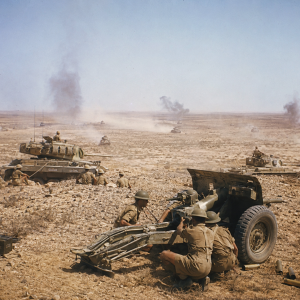
When the First World War began in 1914, the Bavarian heir was given command of the German Sixth Army, composed largely of Bavarian troops. His forces fought on the Western Front during the early battles in Lorraine. While carrying out the plans of the German high command, he sometimes questioned certain aggressive strategies, showing an independence of thought unusual among senior commanders tied closely to the imperial court.
His military reputation grew during the conflict. In 1916 he was promoted to command Army Group Rupprecht, responsible for large sections of the Western Front in northern France and Belgium. In this position he oversaw German forces during some of the war’s most destructive campaigns, including the Battle of the Somme and the later fighting around Ypres known as Passchendaele.
He gained a reputation for being pragmatic compared with some other German generals. Though loyal to Germany’s war effort, he reportedly believed by 1917 that complete victory was unlikely and that negotiations might eventually be necessary. He also opposed unrestricted submarine warfare, fearing it would provoke the United States into joining the conflict against Germany.
During the final year of the war in 1918, German armies launched a series of massive offensives along the Western Front. The Bavarian commander controlled northern sectors during these operations. Once the offensives failed and Allied counterattacks began, Germany’s military collapse became unavoidable.
Political revolution soon followed. In November 1918 unrest swept through Germany and Bavaria experienced its own uprising that overthrew the monarchy. His father fled Munich and effectively abdicated the throne. The Kingdom of Bavaria was replaced by a republican government, leaving the crown prince without the kingdom he had expected to inherit.
Despite the fall of the monarchy he remained an important public figure. Monarchists continued to view him as the rightful future king should the Wittelsbach dynasty ever be restored. During the interwar years he lived relatively quietly, spending time in Bavaria and Italy while pursuing scholarly interests in art history and archaeology.
The rise of Adolf Hitler and the Nazi movement brought new dangers. As a conservative Catholic aristocrat he strongly disliked Nazi ideology and opposed their radical nationalism and authoritarian rule. Some political groups even considered him a possible alternative national leader who might restore a constitutional monarchy and prevent Hitler’s dominance, though these plans never materialised.
When the Second World War began in 1939 he and his family left Germany for Italy to avoid confrontation with the Nazi regime. After Italy surrendered in 1943, German forces occupied the country. Although the Bavarian heir managed to avoid arrest, several members of his family were captured by the Gestapo.
His wife Antonia and their children were imprisoned in Nazi concentration camps including Dachau, later being transferred to Sachsenhausen and Flossenbürg. They survived the war but suffered severe hardship, and Antonia’s health was permanently damaged by her imprisonment.
After Germany’s defeat in 1945 he returned to Bavaria. The country was now under Allied occupation and a democratic political system was emerging in what would become West Germany. Although monarchist sentiment still existed among some Bavarians, restoration of the monarchy was no longer politically realistic.
During his final decade he lived quietly at Schloss Leutstetten near Lake Starnberg. The former crown prince continued supporting historical institutions and cultural life in Bavaria, remaining a respected symbolic figure for those who valued the region’s royal heritage.
He died on 2 August 1955 at the age of eighty-six. The funeral in Munich drew large crowds, reflecting the lasting respect many Bavarians held for the Wittelsbach dynasty.
Although he never ruled Bavaria, the Bavarian heir remains one of the most significant figures connected to the kingdom’s final years. His life spanned the height of European monarchy, the devastation of two world wars, the fall of dynasties across the continent, and the emergence of modern democratic Germany.