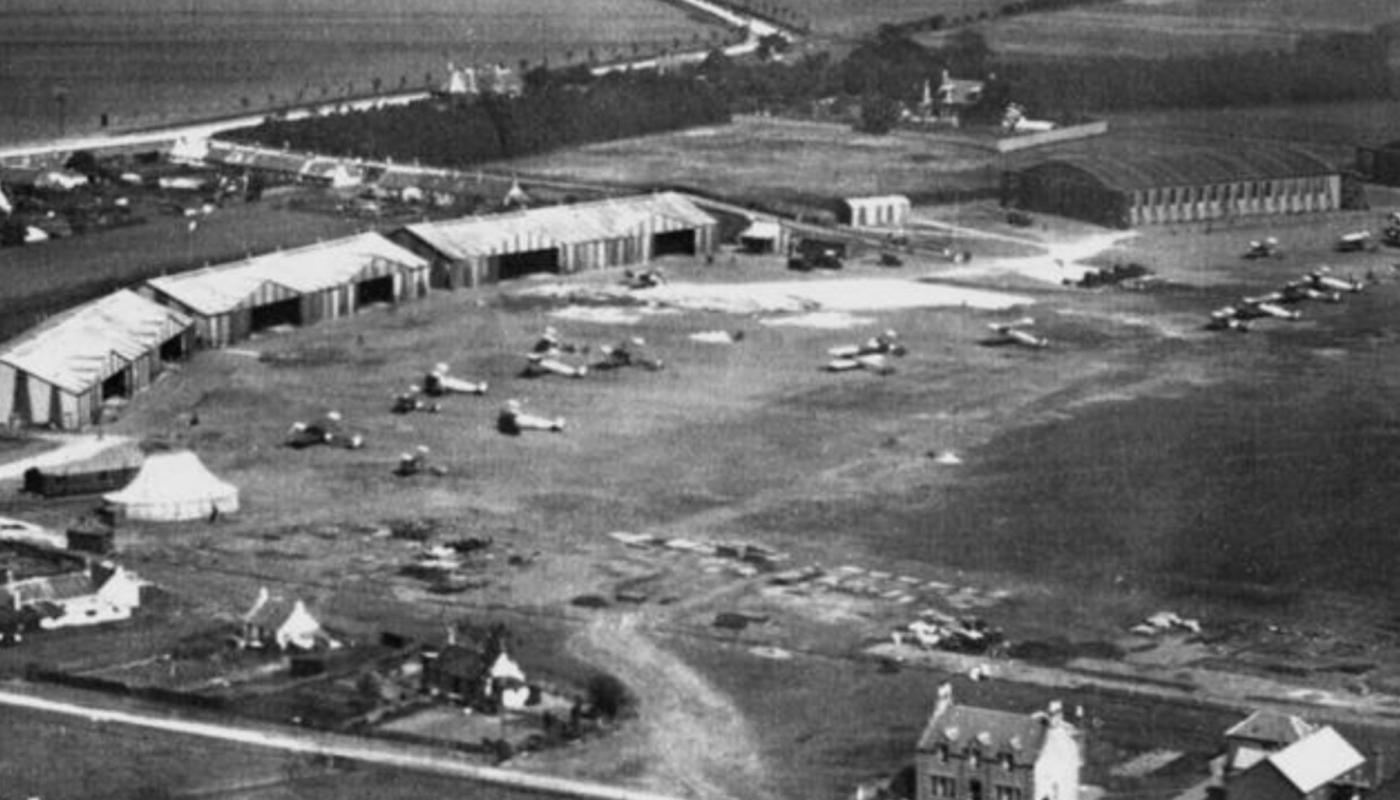
Britains first RAF base
On 26 February 1913, what would later be known as RAF Montrose officially became Britain’s first operational military airfield, marking a major step in the country’s move from experimental flying to organised military aviation. At the time, powered flight was still new, and Britain was beginning to understand how aircraft could be used for reconnaissance and communication. Establishing a permanent base signalled a shift from temporary flying grounds to a more structured and strategic approach.
The airfield was created under the Royal Flying Corps, formed in 1912 to unify military aviation efforts. A suitable site was needed for training, testing, and operations, and this coastal location in eastern Scotland was chosen for its open terrain and relatively safe surroundings for early aircraft. Its position also allowed for useful training conditions, including exposure to strong and variable winds.
When it opened in early 1913, it became the first fully operational military air station in Britain. Facilities were basic, consisting of wooden hangars, canvas structures, and simple workshops. Living conditions were equally modest, and the flying area itself was little more than grass fields adapted for take-off and landing.
Aircraft of the period were fragile machines made from wood, wire, and fabric. Types such as the B.E.2 and early Avro biplanes were typical. These planes were unreliable and offered little protection, making flying both difficult and dangerous. Engine failures were common, navigation relied on landmarks, and pilots faced constant risk.
A key role of the station was pilot training. With very few experienced aviators available, the RFC needed to train new pilots quickly. Trainees learned basic flying skills, including take-off, landing, and navigation. Instruction was practical and often hazardous, with frequent accidents reflecting the risks of early aviation.
Training extended beyond pilots. Mechanics, ground crew, and observers were also prepared there. Observers were taught to map terrain, gather intelligence, and report back effectively, making the site an important centre for developing a complete aviation workforce.
With the outbreak of the First World War in 1914, its importance increased significantly. It became a vital training base for airmen heading to the front and also supported coastal patrols over the North Sea, helping monitor potential German naval activity. Training intensified as demand for pilots grew rapidly.
The coastal environment made flying particularly challenging. Strong winds and changing weather conditions tested both aircraft and pilots, but this also meant that those trained there were well prepared for operational conditions during the war.
The station also contributed to the development of early aviation procedures. Maintenance practices, training methods, and operational routines were refined through experience gained here, helping shape the future of British military aviation.
In 1918, the Royal Air Force was formed by merging the Royal Flying Corps and the Royal Naval Air Service. The airfield continued under the new service, maintaining its role as both a training and operational base.
Its establishment in 1913 marked the beginning of Britain’s long-term commitment to air power. From simple beginnings with basic aircraft and facilities, it became a place where early military aviation developed rapidly. Its training role ensured that new generations of airmen were prepared for the challenges of flight, while its operational use demonstrated the growing importance of air warfare.