Black out 1940
In the early months of the Second World War the British home front was adjusting to conditions that were unlike anything experienced in peacetime. One of the most striking moments of this adjustment came on 15 January 1940, when the government informed the House of Commons that more people in Britain were dying as a result of road accidents than through direct enemy action. The statement caused surprise and unease, because it revealed that a measure designed to protect civilians from bombing was itself creating a serious and unintended danger.
The chief cause was the nationwide blackout. From the first days of the war, strict regulations required that no visible light should be shown outdoors after dark. Street lamps were extinguished or reduced to a faint blue glow, shop windows were covered, householders had to fit heavy blackout curtains, and vehicle headlights were masked so that only narrow slits of light reached the road. The aim was to make towns and transport routes invisible to enemy aircraft navigating at night. In theory, darkness would confuse bombers and reduce the accuracy of attacks.
In practice, the sudden plunge into near-total darkness transformed everyday life. Roads that had once been lit became hazardous, especially in winter when nights were long and weather conditions poor. Drivers struggled to see pedestrians, cyclists, or even the edges of the road. Pedestrians, many of them unused to walking in such conditions, misjudged distances, stepped into traffic, or fell from kerbs. Cyclists were allowed only minimal lighting and were often almost invisible until the last moment. Rural roads, already dark, became especially dangerous, but urban areas were not much safer once familiar landmarks vanished into shadow.
When the government addressed Parliament in mid-January 1940, it was against this backdrop of alarming statistics. In the first months of the war, thousands of people had been killed or injured in road accidents, far exceeding the casualties caused by German air raids up to that point. Britain had not yet experienced the sustained bombing that would later be known as the Blitz, and enemy action in 1939 had been limited. The blackout, however, was operating every night across the country, multiplying the risk again and again.
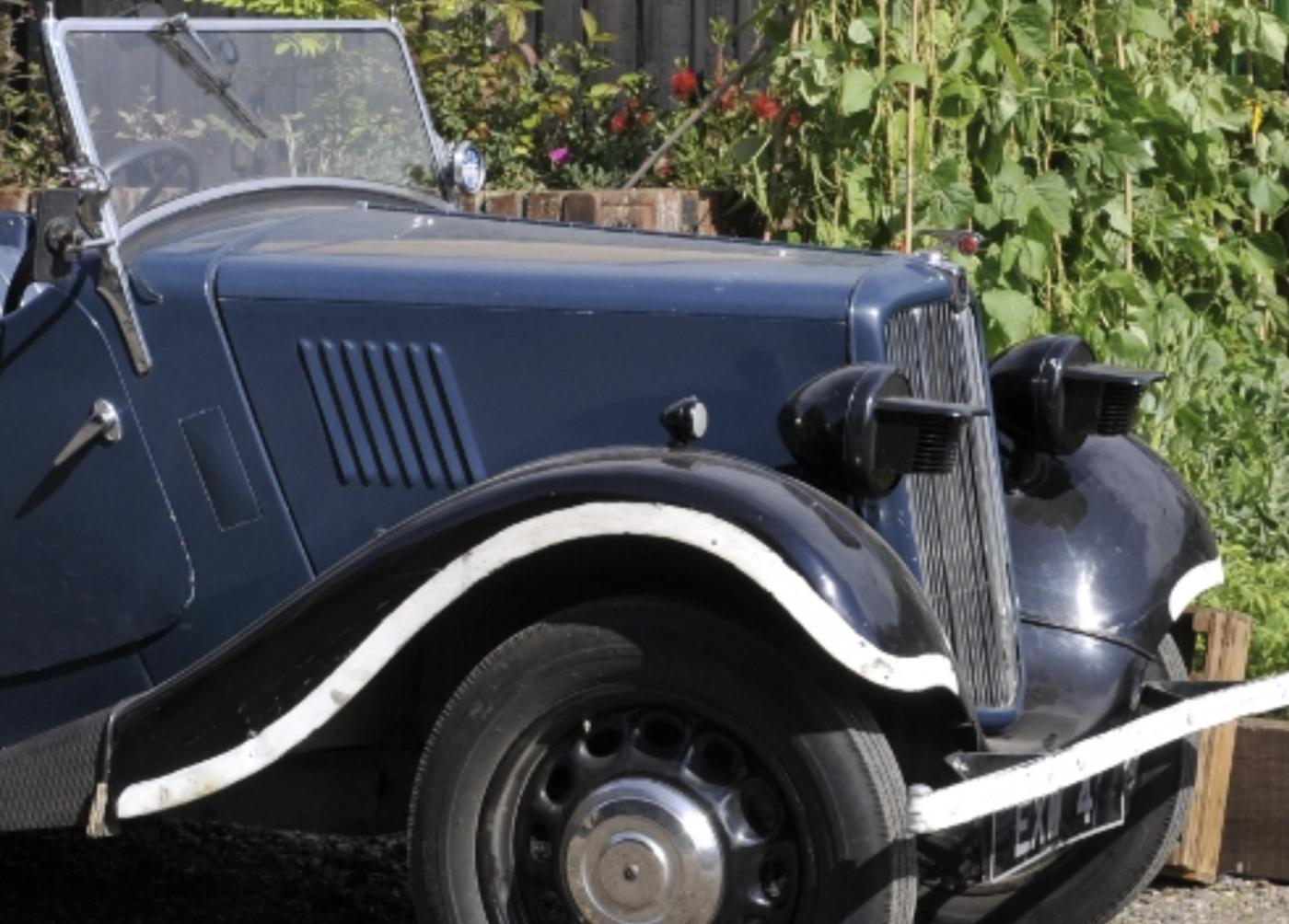
The announcement was not intended to undermine the blackout itself, which the government still regarded as essential for national defence. Instead, it was a warning that greater care was needed. Ministers urged local authorities to improve road markings, paint kerbs white, and use luminous paint on obstacles. Campaigns were launched to encourage pedestrians to wear light-coloured clothing or armbands, and drivers were reminded to slow down and take extra care. Some officials even suggested that people should avoid unnecessary journeys after dark, a difficult request in a society that still had to work, travel, and keep essential services running.
There were also debates about whether the regulations had gone too far. Some critics argued that the blackout was stricter than necessary and that slightly more lighting might save lives without greatly increasing the risk from air attack. Others pointed out that many accidents were caused not just by darkness but by fatigue, anxiety, and the disruption of normal routines brought on by war. People were working longer hours, often under stress, and this too played a role in the rising accident figures.
One striking fact is how quickly the public adapted despite the dangers. By late 1940, after months of experience and improved safety measures, the number of blackout-related accidents began to fall, even as air raids intensified. This suggests that familiarity, better precautions, and changes in behaviour could reduce the risks, though never eliminate them entirely. It is also worth noting that during the heaviest bombing, the blackout probably did save lives by making targets harder to identify from the air.
The January 1940 statement remains an important reminder that wartime measures can have complex consequences. The blackout was a defensive tool aimed at protecting civilians from bombs, yet it introduced a quieter, less dramatic threat that claimed lives night after night. By bringing this issue before Parliament, the government acknowledged that danger on the home front did not come only from the enemy, but also from the difficult balance between security and everyday safety in a nation at war.