Airborne Assault Museum
Tucked inside the historic hangars of Imperial War Museum Duxford is one of the most powerful and moving regimental collections in Britain – the Airborne Assault Museum, the official museum of the Parachute Regiment and British Airborne Forces. Set within Britain’s largest aviation museum complex, it provides a deeply personal and meticulously detailed account of the men who earned the maroon beret and the right to call themselves Airborne.
The Airborne Assault Museum first opened at Duxford in 2008, following the closure of its previous home at Aldershot. Its arrival at Duxford placed the story of Britain’s airborne soldiers alongside the very aircraft that carried them into battle, creating a fitting and atmospheric setting. The museum was officially opened by His Royal Highness The Prince of Wales, now Charles III, reinforcing the national importance of preserving the legacy of airborne forces.
From the moment you enter, the quality of the displays is unmistakable. This is not simply a collection of artefacts in cases; it is a carefully curated journey through the birth, development and combat history of the Parachute Regiment and wider airborne forces. The story begins with the formation of Britain’s airborne troops in 1940 under the direction of Winston Churchill, inspired by German airborne operations early in the Second World War. What followed was the creation of a force built on aggression, initiative and relentless training – qualities that remain hallmarks of the Regiment today.
The Second World War galleries are particularly compelling. Detailed exhibits cover the North African campaign, Sicily, Italy and the pivotal role played during D-Day and the Battle of Normandy. Arnhem is given the depth and respect it deserves, with the story of the 1st Airborne Division during Operation Market Garden brought vividly to life. Personal accounts sit alongside original weapons, drop canisters, parachutes and battledress uniforms, allowing visitors to connect faces and voices to the wider strategic narrative. The Pegasus Bridge operation is interpreted with clarity, explaining how airborne forces seized and held key objectives in the early hours of 6 June 1944.
Post-war operations are equally well represented. From Palestine and Malaya to the Suez Crisis, Northern Ireland, the Falklands, the Balkans, Iraq and Afghanistan, the museum traces the Regiment’s continuous operational history. The Falklands War section stands out, detailing the actions of 2 and 3 Para during battles such as Goose Green and Mount Longdon. For anyone who has worn the maroon beret, these displays are especially poignant, showing the evolution of kit, weapon systems and tactics across the decades.
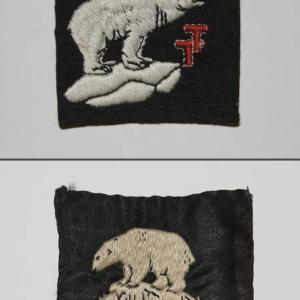
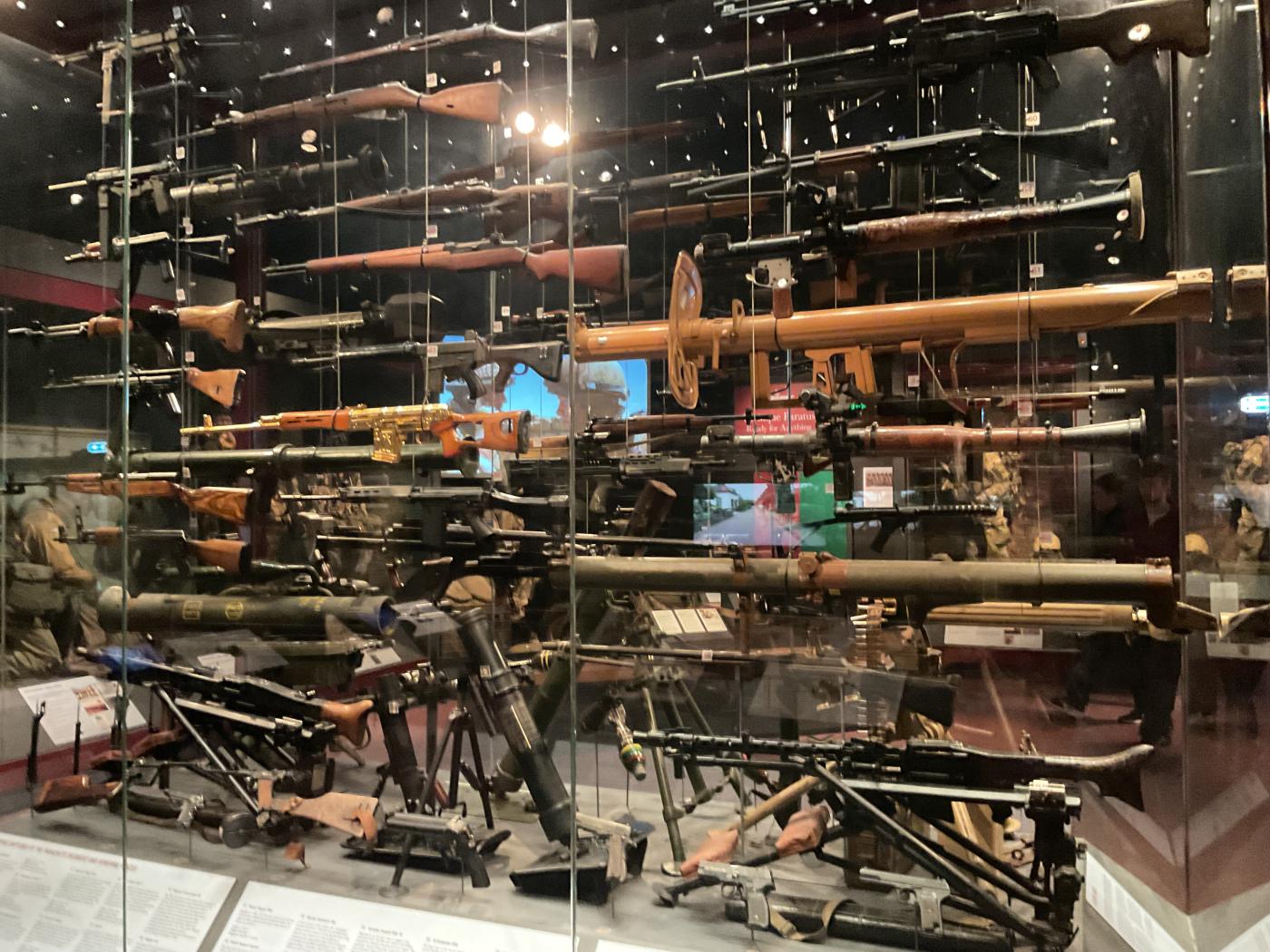
All weapons are displayed with careful explanation of their development and operational use. From the Sten and Bren guns of the Second World War to the Self-Loading Rifle and modern assault weapons, the progression of infantry firepower is clear. Uniforms chart the transformation from Denison smocks and early pattern jump boots to contemporary combat clothing. The famous maroon beret, Pegasus insignia and regimental flashes are contextualised within the Regiment’s identity and ethos.
One of the museum’s greatest strengths is its balance between large-scale operations and individual stories. Letters, diaries, medals and photographs ensure that the narrative never loses sight of the human dimension. The ethos of “Utrinque Paratus” – ready for anything – is demonstrated not just in battle honours but in the resilience and adaptability shown in diverse theatres of war and conflict.
The Legends team were privileged to visit having been invited by Curator Jon Baker, the Imperial War Museums representative who also contributes significantly to the Para Data website, an invaluable online resource documenting airborne forces personnel and history. His passion for accuracy and remembrance is reflected throughout the museum. Para Data itself has become an essential research tool, and seeing the physical artefacts alongside the documented histories adds depth to both.
As someone who served in 3 Para, I freely admit to being biased, yet even with a solid grounding in regimental history I learned a tremendous amount. The layout encourages reflection and discovery; small details you may have previously overlooked suddenly stand out when placed beside original objects carried in combat. It sparked new ideas for future articles and reinforced just how rich and complex airborne history truly is.
An added bonus is the location. After immersing yourself in airborne history, you step back into the vast surroundings of Duxford, home to extraordinary aircraft displays ranging from Second World War fighters to Cold War jets. The connection between aircraft and airborne soldier becomes tangible when you can see the Dakotas and other transport aircraft that delivered paratroopers into battle. Duxford is widely regarded as Britain’s premier aviation collection, and combining it with the Airborne Assault Museum makes for a full and deeply rewarding day.
Museums such as this rely on public support. They safeguard not only artefacts but memory, sacrifice and identity. For those of us connected to the Regiment, it is personal; for others, it is an education in courage, endurance and professionalism. Please come and visit, support British museums and help ensure that these stories are never lost. Keeping memory alive is not just important, it is essential. It aligns perfectly with the ethos of our website – Legends Live On.