On this day in military history…
On 26 March 1945, during the closing months of the Second World War, Japanese forces launched one of the largest and most desperate waves of suicide aircraft attacks against Allied naval forces operating near Okinawa in the Ryukyu Islands. The attack was part of the broader Japanese effort to resist the American advance toward the Japanese home islands. By this stage of the war Japan’s navy and air force had suffered devastating losses in ships, aircraft, and trained pilots. Conventional tactics were no longer considered capable of stopping the Allied fleets that were gathering in overwhelming strength for the invasion of Okinawa. As a result, the Japanese leadership increasingly relied on suicide attacks known as kamikaze missions.
The concept of organized suicide air attacks had first emerged in October 1944 during the Battle of Leyte Gulf in the Philippines. Vice Admiral Takijiro Onishi, who commanded Japan’s First Air Fleet in the Philippines, is widely credited with formally proposing the tactic. Onishi believed Japan lacked the industrial capacity and trained pilots needed to defeat the United States through traditional air combat. He argued that deliberately crashing aircraft loaded with bombs into enemy ships offered the best chance of inflicting serious damage. Although individual pilots had previously carried out ramming attacks in desperation, Onishi’s proposal turned the idea into an organized strategy. Pilots were grouped into “special attack units,” and their missions were designed from the start as suicide operations.
By early 1945 Japan’s strategic situation had become even more dire. American forces had captured islands across the Pacific and were moving steadily closer to Japan itself. Okinawa was the last major barrier before the home islands. The Japanese high command recognized that if Okinawa fell, the United States would have a base for bombing and potentially invading mainland Japan. To prevent this, Japan prepared Operation Ten-Go, a coordinated defensive effort involving naval forces, air units, and kamikaze attacks aimed at destroying the Allied fleet supporting the invasion.
The attack on 26 March 1945 occurred during the early phase of the Okinawa campaign. Allied forces had begun operations to capture smaller islands around Okinawa to establish radar stations and staging areas. The American Fifth Fleet, commanded by Admiral Raymond Spruance, and the British Pacific Fleet were operating in the waters around the Ryukyu Islands to provide air cover and naval bombardment support. Japanese planners saw the concentration of Allied ships as an opportunity for a massive suicide strike.
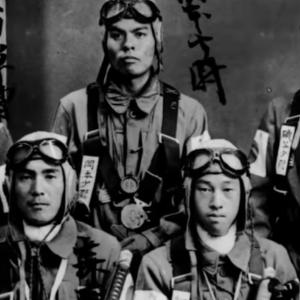
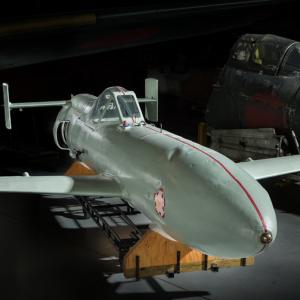
On that day approximately 335 Japanese aircraft were launched from airfields on Kyushu and other nearby islands. The planes included a mixture of fighters, dive bombers, and older aircraft that had been modified for suicide missions. Many carried heavy bombs or extra explosives in their fuselages. Some aircraft served as escorts or decoys, but the majority were intended to crash directly into Allied vessels. The pilots were often very young, many of them barely trained, and they were instructed that their sacrifice would protect Japan and the emperor.
As the aircraft approached the Allied fleet near Okinawa, radar picket destroyers and combat air patrol fighters detected them. The American navy had developed layered defenses against kamikaze attacks, including radar warning systems, fighter interception, and intense anti-aircraft fire from ships. However, the sheer number of incoming aircraft made it difficult to stop every attacker.
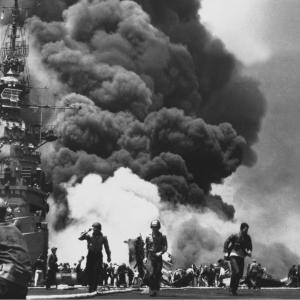
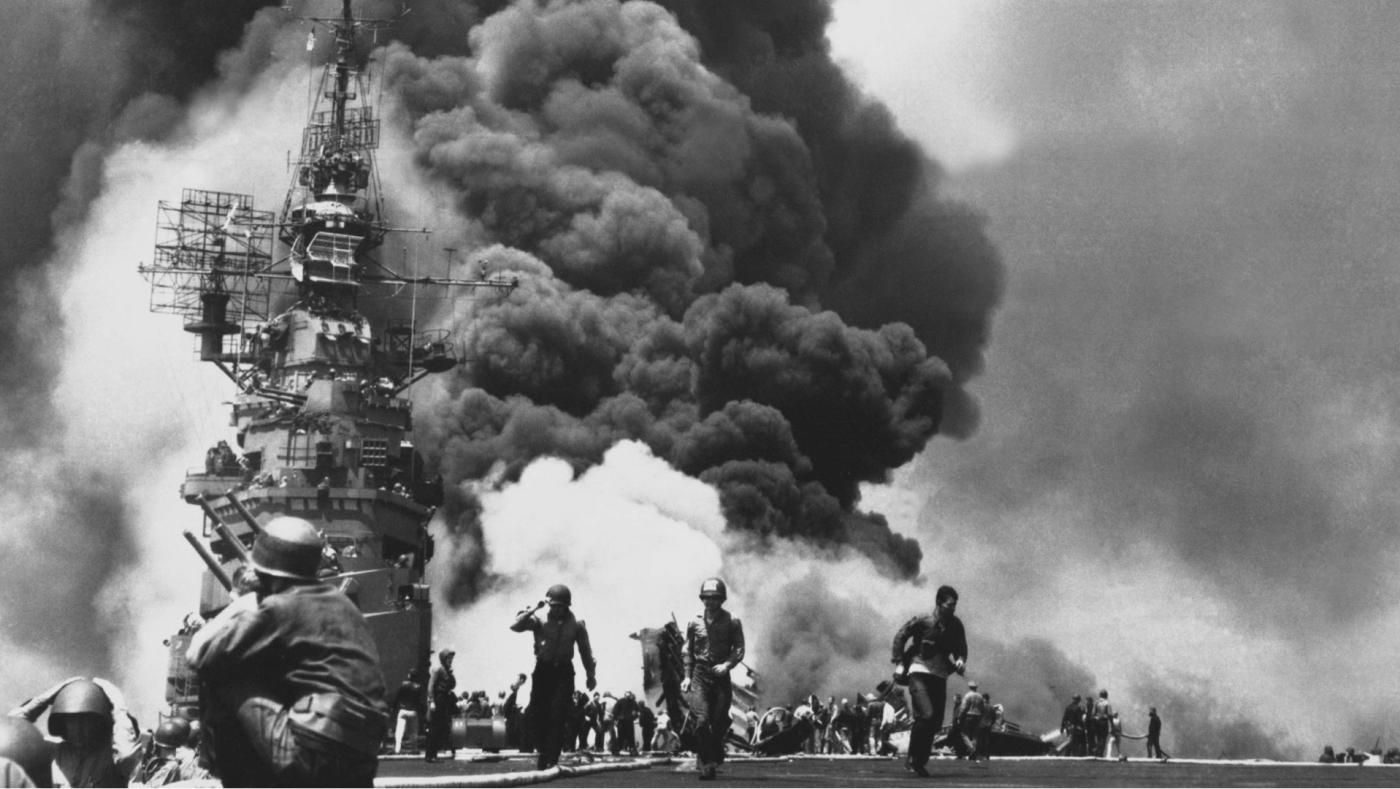
Japanese planes dove toward ships at high speed, aiming for the decks and superstructures where the impact and explosion could cause maximum damage. Some aircraft were shot down before reaching their targets, but many managed to break through the defensive fire. When a kamikaze aircraft struck a ship, the explosion of its bomb and fuel often triggered fires and secondary explosions, sometimes causing severe structural damage.
During the attacks associated with this wave, Allied ships faced intense pressure. Several vessels were hit, and a number were sunk or heavily damaged. Historical accounts of the action describe approximately twenty-six Allied ships being sunk or lost during the broader series of kamikaze operations around this date, while many others were damaged. Destroyers, minesweepers, and smaller escort vessels were particularly vulnerable because they operated farther from the main fleet as radar pickets, making them the first line of defense against incoming aircraft.
The psychological effect of the attacks was significant. Unlike conventional bombing runs, kamikaze pilots did not attempt to escape after releasing their weapons. They deliberately steered their aircraft into ships even while under heavy fire. Allied sailors described the experience as terrifying because even a burning or damaged plane could still crash into a ship at the last moment.
Despite the damage inflicted, the attacks did not succeed in halting the Allied advance. American and British forces maintained overwhelming naval and air superiority. Carrier-based fighters shot down large numbers of incoming aircraft, and improved anti-aircraft tactics gradually reduced the effectiveness of the suicide attacks. Nevertheless, kamikaze operations continued throughout the Okinawa campaign and became the most intense of the war. Over the course of the battle thousands of Japanese aircraft were used in suicide missions.
The pilots themselves were often portrayed in Japanese propaganda as heroic volunteers. Ceremonies were held before their departure, and many left farewell letters or poems. In reality, the situation was more complex. Some pilots believed deeply in their duty and willingly accepted the mission, while others felt strong pressure from military authorities and social expectations. By 1945 Japan’s leadership was desperate to slow the Allied advance by any means possible.
The use of 335 aircraft in the attacks around 26 March 1945 reflected the scale of Japan’s desperation during the final months of the war. Lacking fuel, experienced pilots, and modern aircraft, Japanese commanders relied on the willingness of young airmen to sacrifice themselves in the hope of inflicting losses that might discourage the Allied invasion of the home islands.
In the end, the kamikaze campaign caused significant damage to Allied naval forces but failed to change the outcome of the war. The Battle of Okinawa continued for months, and the island was eventually captured by American forces in June 1945. The suicide attacks remain one of the most dramatic and tragic examples of the extreme measures adopted during the final stages of the Pacific War.