Secret Listeners
During the Second World War Britain created a highly secret intelligence system designed to gather information from captured German prisoners of war. Instead of relying only on formal interrogation, British intelligence developed a method of secretly listening to prisoners while they talked among themselves. This operation took place in several country houses that had been converted into special interrogation centres, most famously Trent Park in North London, Latimer House in Buckinghamshire and Wilton Park near Beaconsfield. The system was organised by the British intelligence department MI19, which specialised in collecting information from enemy prisoners.
The basic idea behind the operation was that prisoners often guarded what they said during official questioning but became far more relaxed when speaking privately with other prisoners. British intelligence therefore installed hidden microphones throughout the buildings where prisoners were housed. Microphones were concealed in walls, ceilings, fireplaces, lamps, skirting boards and even in garden areas where officers walked and talked. These microphones were connected by wires to secret monitoring rooms where staff could listen to every conversation.
The people who carried out this listening work became known as the secret listeners. Many of them were German-speaking refugees who had fled Nazi persecution and had volunteered to help the British war effort. A large number were Jewish émigrés who understood the German language, military slang and regional accents extremely well. Their language skills made them invaluable because they could quickly understand what the prisoners were discussing and identify useful intelligence.
Inside the listening rooms the secret listeners wore headphones and sat at desks with microphones and recording equipment. They worked in teams and shifts so that the prisoners could be monitored throughout the day whenever they were awake. Typically a listening squad consisted of several linguists who would transcribe conversations word for word as they heard them. When prisoners began discussing something important, such as military operations or weapons technology, the listeners would quickly note it and send reports to intelligence officers for analysis.
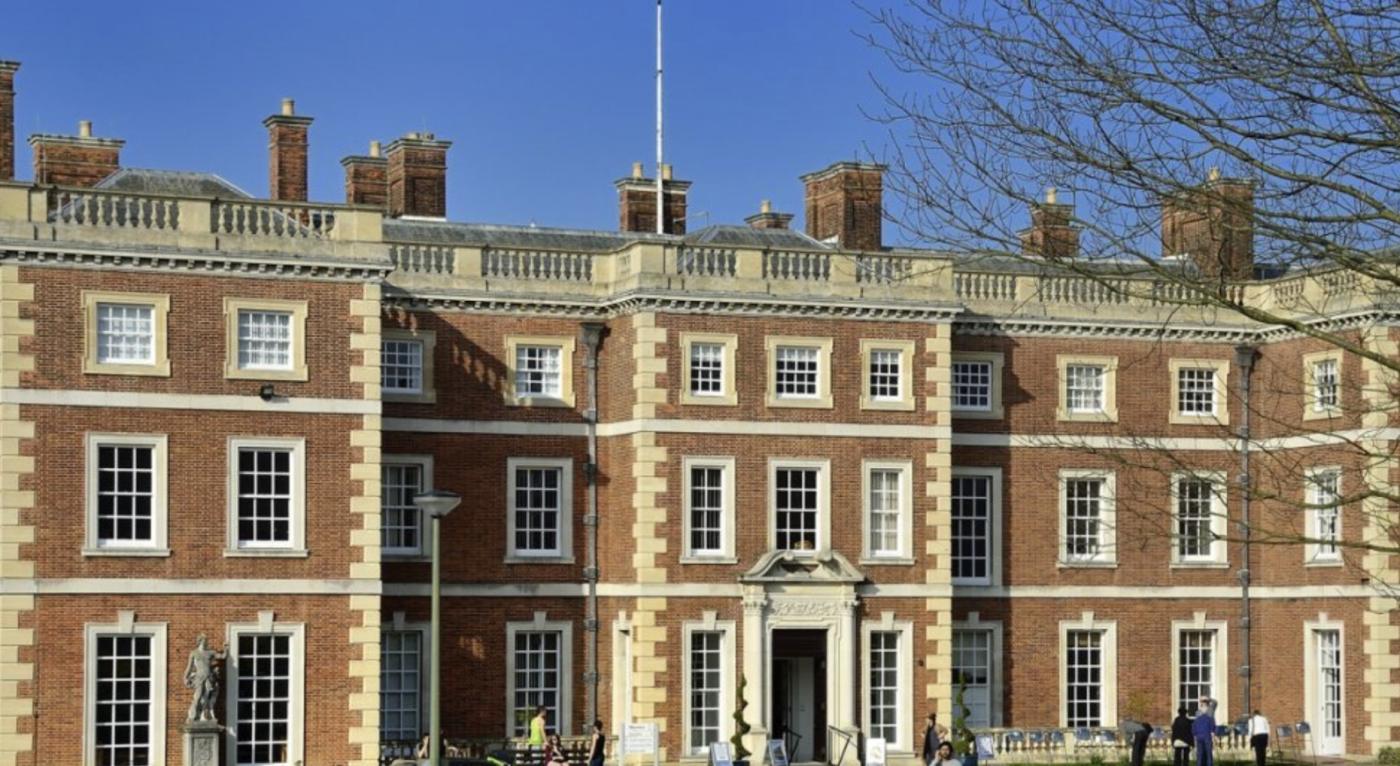
Trent Park became the most famous of these bugging centres. It was a large stately home that had been taken over by the British government early in the war. Unlike ordinary prisoner-of-war camps, Trent Park was used mainly for high-ranking German officers and generals who had been captured on the battlefield. The prisoners were deliberately treated well in order to create a relaxed environment. They were given comfortable bedrooms, good meals and wine, and were allowed to walk in the grounds or spend time playing games such as chess and billiards. This comfortable setting made them believe they were safe from interrogation and encouraged them to speak freely with one another.
Unknown to the prisoners, almost every room in the house contained hidden microphones. The officers talked openly about their experiences in the war, the performance of German weapons and their opinions about the Nazi leadership. Many of them boasted about their military achievements or discussed secret operations they had taken part in. All of these conversations were quietly recorded and transcribed by the secret listeners working in the monitoring rooms.
During the war around eighty-four German generals passed through Trent Park, along with numerous staff officers and other senior prisoners. At certain times more than fifty generals were being held there at once. Because these men had been involved in planning or commanding major military operations, their conversations provided extremely valuable information to British intelligence.
The secret listeners at Trent Park produced more than a thousand intelligence reports from the conversations they recorded. These reports were sent to analysts who examined them carefully to identify useful military information. Sometimes the prisoners discussed troop movements, aircraft capabilities, or the strengths and weaknesses of German equipment. At other times they revealed information about experimental weapons being developed by Germany.
One particularly important discovery occurred when captured officers began discussing the development of long-range rockets at a secret German research centre on the Baltic coast. From these conversations British intelligence learned about the existence of the V-1 flying bomb and the V-2 rocket. This information allowed the Allies to investigate the site and eventually launch bombing raids against the facility, which delayed Germany’s missile programme and reduced the threat to Britain.
Latimer House in Buckinghamshire was another major centre in the intelligence network. Thousands of German prisoners passed through the estate during the war, including submarine crews, Luftwaffe pilots and army officers. Like Trent Park, Latimer House was equipped with hidden microphones and secret listening rooms where conversations between prisoners could be recorded.
Latimer House also served as the headquarters for the Combined Services Detailed Interrogation Centre, where interrogators, translators and analysts worked together. The staff there eventually grew to around one thousand people, including engineers who maintained the listening equipment, intelligence officers who studied the transcripts and the secret listeners who monitored the prisoners’ conversations.
Over the course of the war the conversations of more than ten thousand German prisoners were recorded at Latimer House and associated facilities. The secret listeners produced an enormous collection of transcripts, eventually creating more than one hundred thousand written records of prisoner conversations. These transcripts contained a wide range of information about German military operations, aircraft performance, submarine tactics and the morale of German forces.
Wilton Park formed another part of this intelligence system. Like the other sites, it housed German prisoners and used the same bugging techniques to capture conversations. Prisoners there were often more junior officers and enlisted men, but their discussions still provided useful details about daily life in the German armed forces and about the equipment they were using in combat.
In addition to hidden microphones, British intelligence sometimes used undercover agents placed among the prisoners. These agents pretended to be ordinary German soldiers who had also been captured. By starting casual conversations about military subjects they encouraged the prisoners to talk freely. The microphones hidden in the rooms then captured everything that was said, allowing the secret listeners to record it.
The intelligence gathered from these bugging operations played an important role in the Allied war effort. Information from prisoner conversations helped confirm the development of new German weapons, provided insights into the tactics used by the Luftwaffe and the German navy, and revealed internal disagreements within the German officer corps. In some cases prisoners also unknowingly described war crimes that had been committed on the Eastern Front.
The work carried out by the secret listeners remained completely secret for many years after the war. Even the prisoners themselves never realised that their conversations had been recorded. Only decades later were historians able to examine the transcripts and discover how these country houses had been turned into highly sophisticated intelligence centres.
Today the records produced by the secret listeners provide a remarkable historical archive. They preserve the private conversations of German soldiers and generals during the war and show how a quiet and carefully organised listening operation helped provide Britain with valuable intelligence that contributed to the Allied victory.