Liberation of Belsen Camp
The concentration camp known as Bergen-Belsen concentration camp was liberated on 15 April 1945 in the final weeks of the Second World War, in circumstances that shocked even hardened soldiers. Unlike extermination camps such as Auschwitz, Belsen had not been designed primarily for systematic killing, but by 1945 it had become a place of mass death through starvation, neglect, disease, and deliberate cruelty. Its liberation revealed one of the most horrifying humanitarian disasters encountered by Allied forces.
The camp was located in northern Germany, near the town of Bergen, and had originally been established as a prisoner-of-war camp. Over time it was converted by the Nazi regime into a concentration camp under the control of the SS. By the final months of the war it was commanded by Josef Kramer, a man already notorious for his role in other camps. The guards and administration were entirely SS personnel, assisted in some cases by female guards who enforced discipline inside the camp.
As Allied armies advanced into Germany in April 1945, British forces approached the area. German authorities, aware of the catastrophic conditions inside the camp and fearing the spread of disease, entered into negotiations with the British. They agreed to hand over the camp peacefully, declaring it a neutral zone because of a raging typhus epidemic. This meant that when British troops arrived, they did not encounter resistance but instead stepped directly into a humanitarian nightmare.
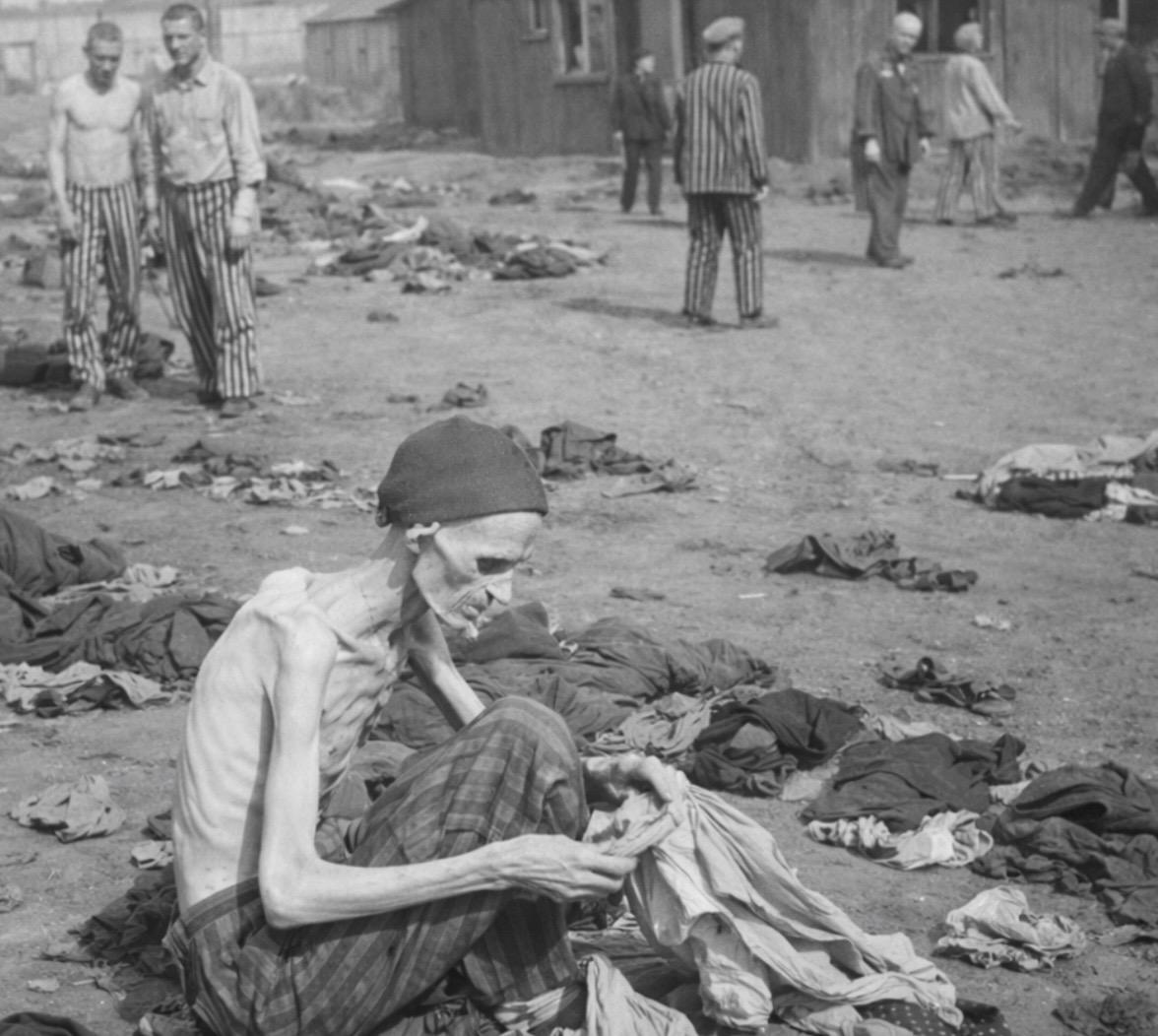
The camp was discovered and liberated by units of the 11th Armoured Division, part of the British Army. When soldiers entered the camp on 15 April, they found approximately 60,000 prisoners still alive. Most were in an advanced state of starvation, many too weak to stand or even move. Alongside the living were around 10,000 unburied corpses lying in heaps throughout the camp. The smell of death was overwhelming, and the scale of suffering was unlike anything many soldiers had ever imagined.
Eyewitness accounts from British troops describe scenes of extreme deprivation. Prisoners had no adequate food, water, or sanitation. Many had been living for weeks without proper shelter, and bodies lay among the living because there were too few able-bodied prisoners to bury them. Some inmates were so emaciated that they resembled skeletons, their bodies reduced to skin and bone. Others were delirious from fever or hunger.
The main diseases present in the camp included typhus, tuberculosis, dysentery, and severe malnutrition-related illnesses such as starvation edema. Typhus was particularly dangerous, spread by lice in the filthy conditions, and posed a serious threat not only to prisoners but also to the liberating troops. Because of this, British medical teams had to proceed carefully, establishing quarantine measures while trying to save as many lives as possible.
Immediately after liberation, the British organized a massive relief effort. Army doctors, nurses, and volunteers were brought in, along with supplies of food and medicine. One of the early challenges was that starving prisoners could not safely eat normal rations; giving them too much food too quickly could be fatal. Special feeding programs had to be developed to gradually restore nutrition. Field hospitals were set up, and efforts were made to separate the sick from the healthier survivors to control the spread of disease.
The British also forced captured SS guards and German civilians from nearby areas to assist in burying the dead and cleaning the camp. Bulldozers were used to push thousands of bodies into mass graves, a grim but necessary step to prevent further spread of disease. Photographs and film taken during this period became some of the most powerful evidence of Nazi crimes, later used in war crimes trials.
Despite all efforts, thousands more prisoners died in the days and weeks after liberation due to the severity of their condition. It is estimated that around 13,000 additional deaths occurred after the British arrived. Among those who perished in Belsen shortly before liberation was Anne Frank, whose story later became one of the most widely known personal accounts of the Holocaust.
One of the most striking aspects of Belsen was that it had no gas chambers; the deaths there were caused by systematic neglect and collapse of supply as the Nazi system disintegrated. Prisoners had been transported there in large numbers from other camps as the Germans evacuated facilities ahead of the advancing Allies, leading to extreme overcrowding. The infrastructure simply could not support the numbers, and conditions rapidly deteriorated into catastrophe.
Josef Kramer and other camp personnel were arrested by the British. He was later tried at the Belsen Trial and executed for his crimes, along with several other guards. The trial was one of the first major prosecutions of Nazi war criminals and helped establish the legal framework for later proceedings.
The liberation of Bergen-Belsen became one of the defining moments in the exposure of the Holocaust to the world. Journalists and cameramen who accompanied the British forces documented what they saw, and the images were shown internationally, confronting the public with undeniable evidence of Nazi atrocities. For many, Belsen was the first time they fully grasped the scale of suffering inflicted in the camps.
In the aftermath, the British burned down the original camp structures to stop the spread of disease, and a displaced persons camp was established nearby for survivors. Many of those liberated would go on to rebuild their lives, though they carried the trauma of their experiences forever.
The events of 15 April 1945 remain a stark reminder of the consequences of hatred, dehumanization, and unchecked power. The liberation of Belsen was not only a military event but also a humanitarian turning point, revealing both the depths of human cruelty and the urgent necessity of compassion and justice in its aftermath.