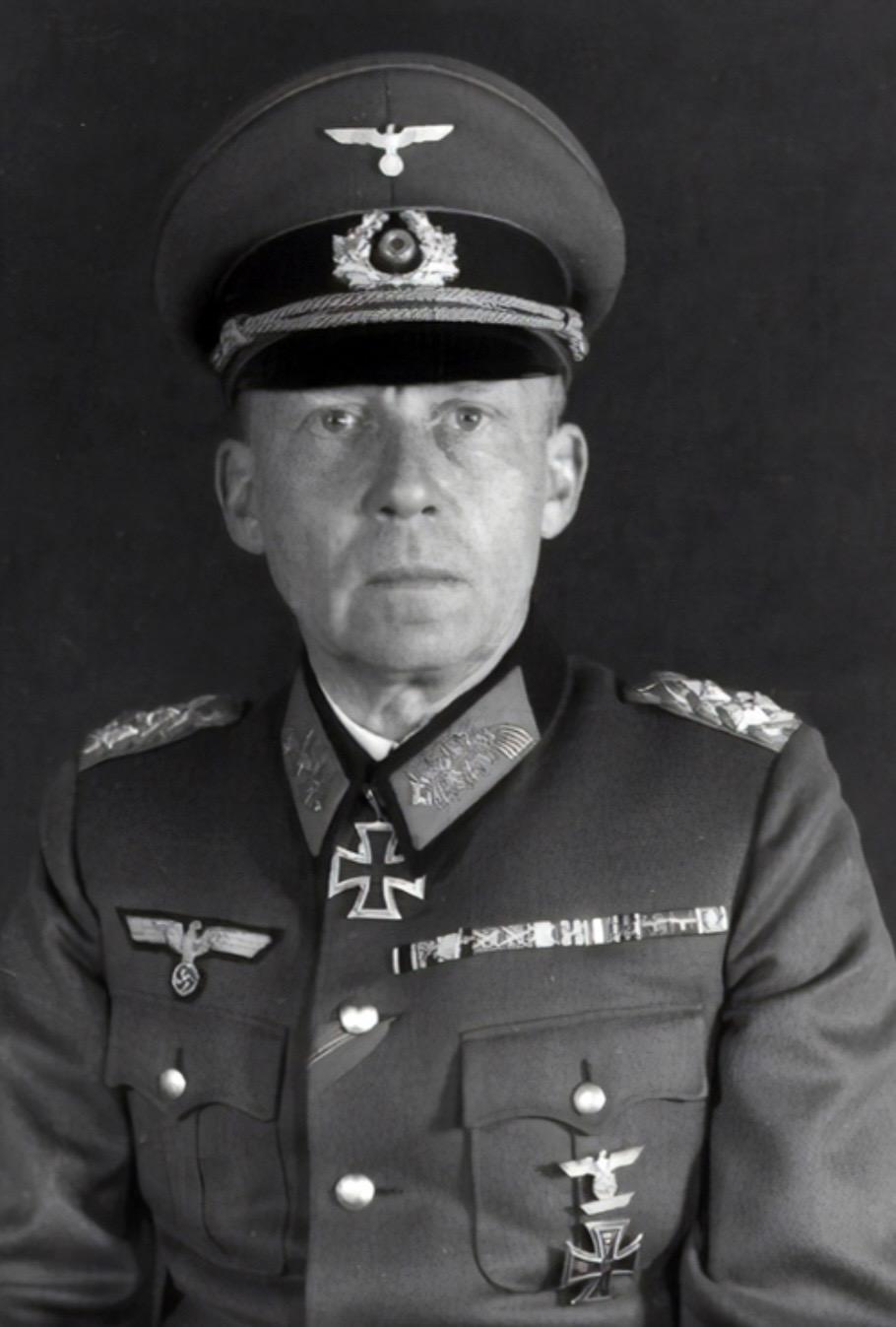
General Gotthard Heinrici
Gotthard Heinrici was one of the most capable and unconventional defensive commanders in the German army during the Second World War, known for his calm demeanor, deep religious faith, and an almost instinctive understanding of defensive warfare. Born on 25 December 1886 in Gumbinnen in East Prussia, then part of the German Empire, Heinrici grew up in a strongly Protestant, middle-class family. His father was a Lutheran pastor, and this religious upbringing had a lasting influence on him throughout his life. Heinrici remained deeply devout, often praying daily and even reading the Bible during campaigns, which set him apart from many of his contemporaries in the German officer corps.
He joined the Prussian Army in 1905 as an officer cadet and was commissioned into an infantry regiment. Like many of his generation, his early military career was shaped by discipline, tradition, and a strong emphasis on duty. When the First World War broke out in 1914, Heinrici served on the Western Front and quickly distinguished himself as a capable and courageous officer. He was wounded multiple times during the war, reportedly as many as seven occasions, which earned him a reputation for personal bravery. He was also awarded both classes of the Iron Cross, a decoration that recognized his effectiveness and leadership under fire.
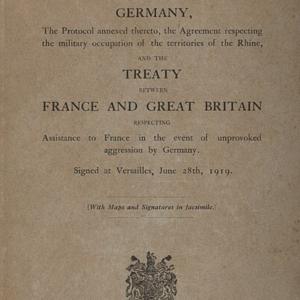
After the war, Heinrici remained in the drastically reduced German army, the Reichswehr, which was limited by the Treaty of Versailles. Only a small number of officers were retained, and Heinrici’s inclusion speaks to how highly he was regarded by his superiors. During the interwar years, he continued to develop his professional skills, particularly in staff work and training. He built a reputation as a thoughtful and meticulous officer, someone who paid close attention to terrain, logistics, and defensive preparation—traits that would later define his wartime command style.
By the time the Second World War began in 1939, Heinrici had risen to command the 16th Infantry Division during the invasion of Poland. His unit performed effectively, and he demonstrated an early ability to adapt to the fast-moving conditions of modern warfare. He later commanded forces during the invasion of France in 1940, further solidifying his standing within the German military hierarchy. However, it was on the Eastern Front, following Operation Barbarossa in 1941, that Heinrici truly came into his own.
Heinrici was given command of the XLIII Army Corps and later the Fourth Army, where he faced the immense challenges posed by the Soviet Union’s vast geography, harsh weather, and increasingly capable Red Army. Unlike many German generals who favored aggressive offensives at all costs, Heinrici excelled in defensive operations. He had a keen understanding of Soviet tactics and often anticipated enemy attacks with remarkable accuracy. One of his hallmark techniques was to withdraw his frontline troops just before a Soviet artillery barrage, minimizing casualties, and then return them to their positions once the bombardment ended. This approach demonstrated both his pragmatism and his willingness to deviate from rigid doctrine.
His defensive skill became especially evident during the battles around Moscow and later engagements as the German army was pushed back. Heinrici’s units were often among the last to retreat and the first to stabilize collapsing fronts. He earned the respect of his soldiers for his concern over unnecessary losses, as well as his superiors for his effectiveness under pressure. In 1944, he played a significant role in defensive operations against the Soviet offensives that followed Operation Bagration, which devastated much of the German Army Group Centre.
Despite his loyalty to Germany, Heinrici was not a committed supporter of the Nazi regime. He was known to be openly critical of certain aspects of National Socialist ideology, particularly its anti-religious stance. His devout Christianity sometimes brought him into quiet conflict with the authorities, and he maintained a certain distance from the political leadership. This independence may have contributed to the mixed relationship he had with Adolf Hitler, who both valued Heinrici’s military competence and distrusted his lack of ideological enthusiasm.
In the final phase of the war, Heinrici was appointed commander of Army Group Vistula in March 1945, tasked with defending Berlin against the advancing Soviet forces during the Battle of Berlin. This was an almost impossible assignment, as German forces were exhausted, poorly supplied, and vastly outnumbered. Nevertheless, Heinrici organized one of the last effective defensive efforts of the war, particularly along the Oder River and the Seelow Heights. He again used his defensive expertise to slow the Soviet advance, buying valuable time, although the outcome was never in doubt.
Heinrici’s relationship with Hitler deteriorated sharply during this period. He refused to carry out orders he considered militarily senseless, including directives that would have led to the destruction of his remaining forces without strategic benefit. As a result, he was dismissed from command in April 1945, just weeks before Germany’s surrender. His willingness to defy orders at this late stage reflects both his realism and his prioritization of his soldiers’ lives over blind obedience.
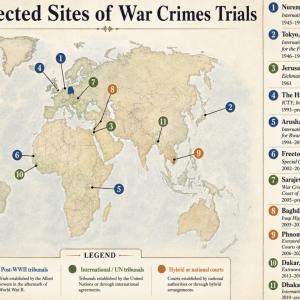
After the war, Heinrici was taken prisoner by American forces but was not tried as a war criminal. Unlike some other high-ranking German officers, he was not heavily implicated in war crimes, although his service on the Eastern Front inevitably places him within a controversial and morally complex context. He spent time in captivity before being released in the late 1940s.
In his later years, Heinrici lived quietly in West Germany, largely removed from public life. He remained a figure of interest among military historians, particularly for his defensive tactics and his distinctive personality. He died on 13 December 1971.
Heinrici’s legacy is often viewed through the lens of his military professionalism and his effectiveness as a defensive commander. He is frequently cited as one of the Wehrmacht’s most skilled practitioners of defensive warfare, a general who understood that survival and delay could be as strategically important as victory.