Wake Island Massacre
On 7 October 1943, American civilian prisoners on Wake Island were taken to the shore, bound, blindfolded and shot on the orders of the Japanese garrison commander. Remembered as the Wake Island massacre, the murder of the island’s 98 remaining American captives became one of the most notorious war crimes of the Pacific campaign. These men had survived the island’s capture and endured almost two years of imprisonment, only to be killed when their captors feared an American invasion was approaching.
Wake was an isolated coral atoll in the central Pacific, where American contractors had been developing a naval air base before Japan entered the war. On 8 December 1941, the same day as the attack on Pearl Harbor across the International Date Line, Japanese aircraft struck the island. Its defenders included US Marines, naval personnel and civilian workers, some of whom carried ammunition, maintained equipment and supported the gun positions. Despite their limited resources, they repulsed a Japanese landing attempt on 11 December, giving the United States a rare piece of encouraging news during the opening disasters of the Pacific war. A stronger Japanese force returned, however, and on 23 December the island fell after further fierce fighting. The survivors became prisoners, with most eventually transported to camps in China and Japan, where they faced hunger, disease and forced labour.
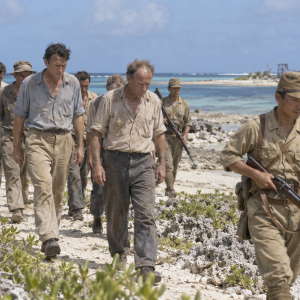
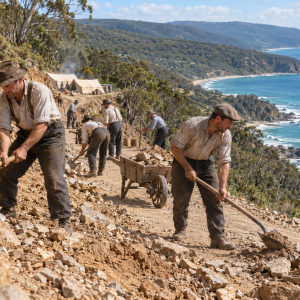
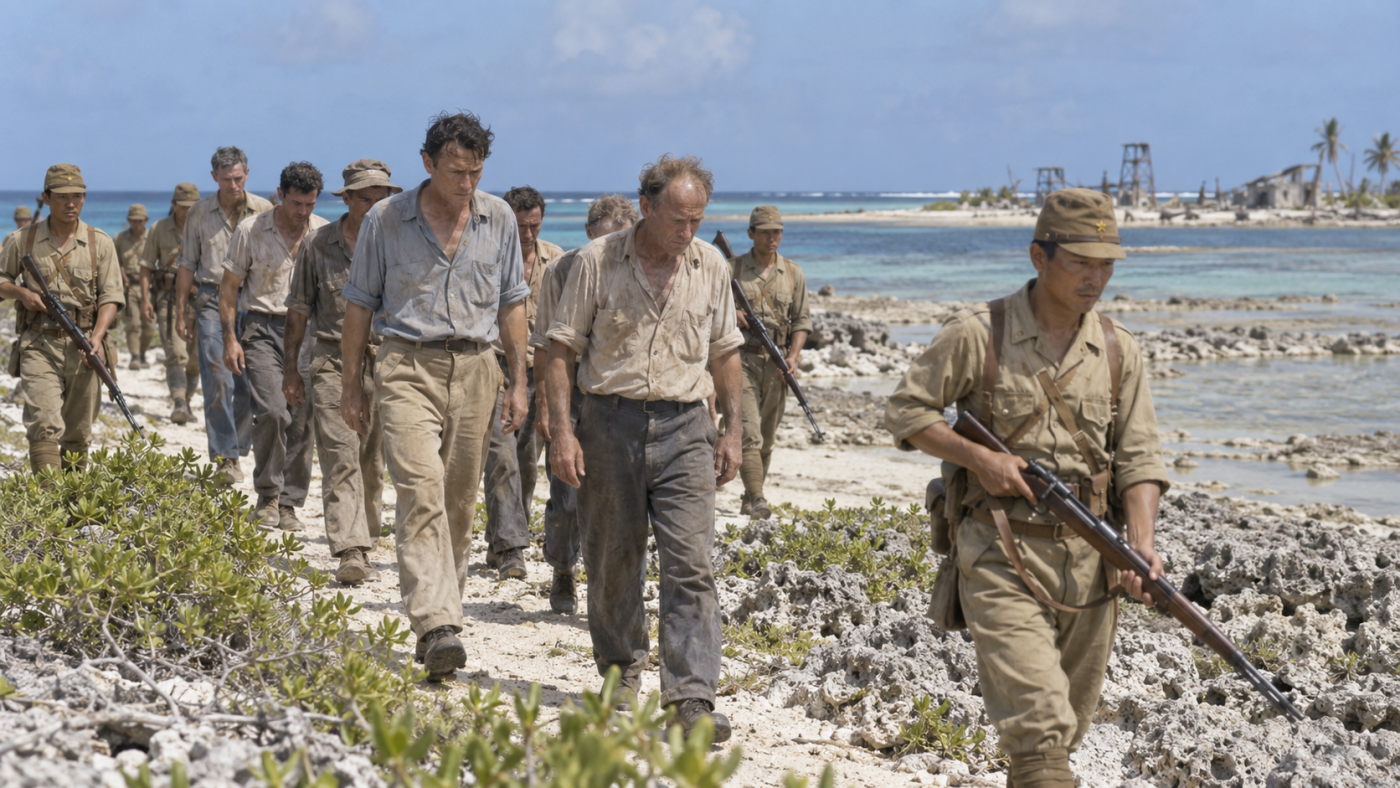
By the autumn of 1942, 98 Americans remained on Wake. Almost all were civilian workers retained for their skills in constructing and maintaining Japanese defences. Among them was Dr Elmer Shank, who volunteered to stay and provide medical care for his fellow prisoners. Their captivity meant exhausting work, inadequate food and the constant threat of punishment. They were forced to strengthen the very positions that American forces might one day have to attack.
On 5 and 6 October 1943, American carrier aircraft and warships subjected Wake to a heavy bombardment, damaging installations and destroying aircraft. The garrison commander, Shigematsu Sakaibara, believed the raids heralded an invasion. Fearing the prisoners might escape or assist American troops, he ordered their execution. No landing followed. American strategy increasingly favoured bypassing and isolating Japanese strongholds, cutting their supplies and preventing their use as effective bases.
On the afternoon of 7 October, the captives were marched to an anti-tank ditch near the northern shore. Bound and blindfolded, they were lined up facing the sea before Japanese troops opened fire with machine guns and rifles. Their bodies were buried beneath coral sand. One prisoner escaped and carved “98 US PW 5-10-43” into a coral rock, leaving a lasting record of the Americans’ fate. The inscription bears the date of the opening American raid rather than the generally accepted date of the massacre. His identity has never been established. He was subsequently recaptured and personally beheaded by Sakaibara.
After Wake surrendered on 4 September 1945, Japanese officers claimed the American prisoners had died in bombing raids or while escaping. Investigators exposed the cover-up, and Sakaibara and 15 officers and men were arrested. Two killed themselves while being transferred to Kwajalein, leaving statements implicating those responsible. Lieutenant Torashi Ito, who had supervised the execution, also took his own life during the proceedings. Confronted with the evidence, Sakaibara admitted ordering the massacre. He and Lieutenant Commander Tachibana, whose company carried out the killings, were sentenced to death. Tachibana’s sentence was reduced to life imprisonment, but Sakaibara was hanged on Guam on 19 June 1947. He acknowledged responsibility yet maintained that his trial was unfair and his punishment too harsh. Fear of an invasion offered no justification for murdering helpless prisoners.
The victims’ remains were eventually laid to rest at the National Memorial Cemetery of the Pacific in Honolulu. While the defence of Wake became a celebrated story of courage, the civilians left behind deserve remembrance alongside its fighting men. They had travelled to a remote outpost to build an American base, survived its fall and endured captivity without knowing whether rescue would come. Their lives ended through a deliberate decision to murder defenceless prisoners. The anonymous message cut into the coral remains their simplest and most powerful memorial, left by a man whose name is lost but who ensured that his companions would not be forgotten.