
On this day in military history…
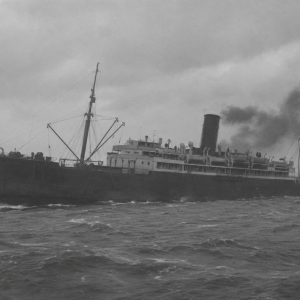
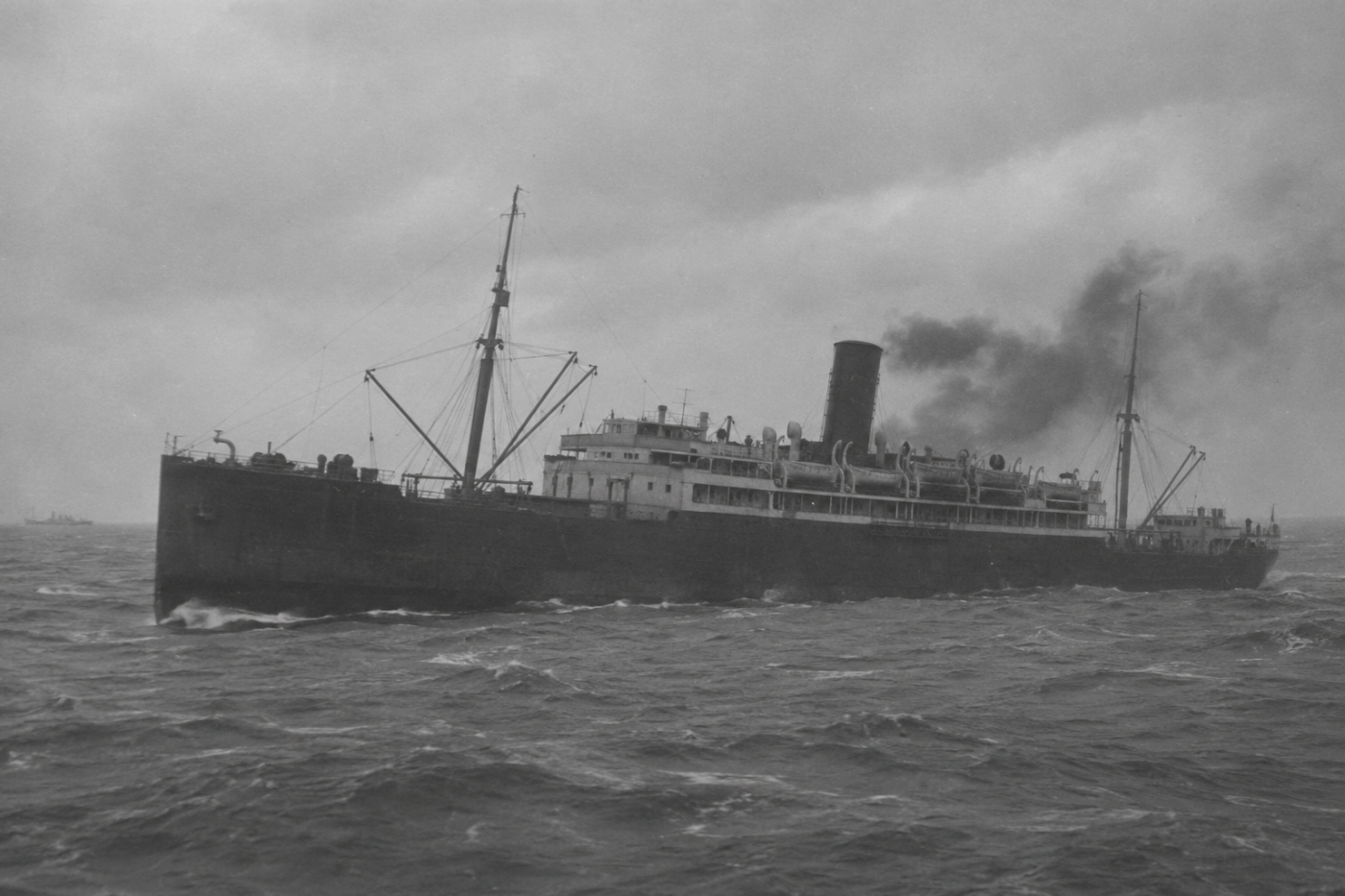
On 26 November 1943, the British troopship HMT Rohna was sailing off the coast of Algeria when a German guided bomb struck her. By the time the rescue was over, 1,015 American soldiers had lost their lives, along with more than 100 other people aboard, including members of her largely Indian crew. The sinking was the greatest single loss of American life at sea due to enemy action.
The Rohna had been a passenger and cargo liner before Britain requisitioned her for wartime service. She sailed from Oran the previous day and joined a convoy bound for Suez. Nearly 2,000 U.S. Army troops were aboard, many headed to India to build airfields for B-29 bombers. Among them were men of the 853rd Engineer Aviation Battalion, whose quarters were close to the engine room.
Late in the afternoon, German bombers attacked the convoy. One released a Henschel Hs 293, an early radio-guided bomb. It struck the Rohna near the engine room, killing hundreds in the initial blast. Fires broke out, water poured in and men below decks had to find their way out in darkness. As the ship began to list, some lifeboats could not be lowered and others capsized. Hundreds of men went into the rough, oil-covered sea as daylight faded.
The American minesweeper USS Pioneer pulled 606 people from the water. Other Allied vessels joined the rescue, saving more than 1,100 people in all. Some survivors spent over eight hours in the water. The 853rd suffered particularly heavy losses, with about three in five of its men killed.
Wartime secrecy kept the circumstances of the sinking from the wider public. For years, many families struggled to learn how their relatives had died. Survivors and relatives helped bring the story to public attention and raised funds for a memorial, which was dedicated at Fort Mitchell National Cemetery in Alabama in 1996. In 2000, the U.S. Congress formally recognised the servicemen aboard the Rohna, their families and the rescuers.
The Rohna had left Oran carrying men whose job was to build airfields thousands of miles away. Many never reached India. Their names, and the story of the crew who sailed with them and the rescuers who came alongside, are part of one of the hardest days in America’s war at sea.