
On this day in military history…
By dawn on 15 November 1942, the waters off Guadalcanal were littered with wreckage. Over four days, American and Japanese sailors had fought a series of savage air and sea engagements, including two night battles in which warships exchanged fire at terrifyingly close range. The Naval Battle of Guadalcanal ended with an American strategic victory, but the price had been heavy on both sides.
The struggle centred on Henderson Field, the airfield captured by American Marines after their landing on Guadalcanal on 7 August. Its aircraft threatened Japanese ships approaching the island in daylight. To land substantial reinforcements and supplies safely, the Japanese needed to silence it. Their November plan combined naval bombardments with a convoy of eleven transports carrying thousands of soldiers, ammunition, food and equipment. Vice Admiral William F. Halsey commanded American forces in the South Pacific. On the Japanese side, Admiral Isoroku Yamamoto, commander of the Combined Fleet, oversaw the operation. Vice Admiral Hiroaki Abe led the first battleship bombardment force, while Rear Admiral Raizō Tanaka commanded the transport convoy and its escort.
The first major night action erupted in the early hours of 13 November. Rear Admiral Daniel J. Callaghan led five American cruisers and eight destroyers against Abe’s force, which included the battleships Hiei and Kirishima. Rear Admiral Norman Scott was also present, aboard the cruiser USS Atlanta. Darkness, confused formations and the difficulty of identifying ships turned the encounter into a chaotic close-range fight. Callaghan was killed aboard his flagship, USS San Francisco, and Scott died aboard Atlanta. American losses from the action and its aftermath included the cruisers Atlanta and Juneau and four destroyers. Juneau was torpedoed by a Japanese submarine while withdrawing; among those who died were all five Sullivan brothers. The Japanese battleship Hiei was badly damaged during the night and subsequently lost after repeated American air attacks. Despite their terrible losses, the Americans had prevented the planned bombardment of Henderson Field.
A Japanese cruiser force shelled the airfield the following night, but failed to put it out of action. On 14 November, aircraft from Henderson Field and the carrier USS Enterprise attacked Japanese ships and the approaching transport convoy. The heavy cruiser Kinugasa was sunk, and most of Tanaka’s transports were destroyed before they could reach Guadalcanal.
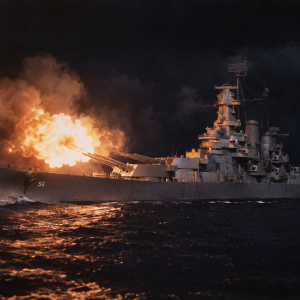
The decisive final night brought a fresh American commander into the battle. Rear Admiral Willis A. Lee, an expert in naval gunnery and radar, approached Guadalcanal with the battleships USS Washington and USS South Dakota, escorted by four destroyers. Opposing him was Vice Admiral Nobutake Kondō, whose force included Kirishima, four cruisers and nine destroyers. Once again, the Japanese intended to bombard Henderson Field. During the night of 14–15 November, Lee’s destroyer screen suffered devastating punishment. USS Walke and USS Preston were sunk, while USS Benham was so badly damaged that she was subsequently abandoned and sunk. The fourth destroyer, USS Gwin, was damaged. South Dakota suffered electrical failures during the action and then came under concentrated Japanese gunfire, sustaining numerous hits and casualties.
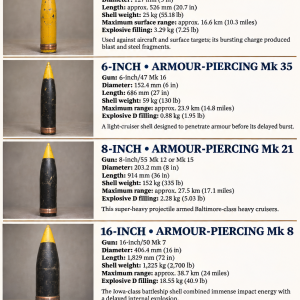
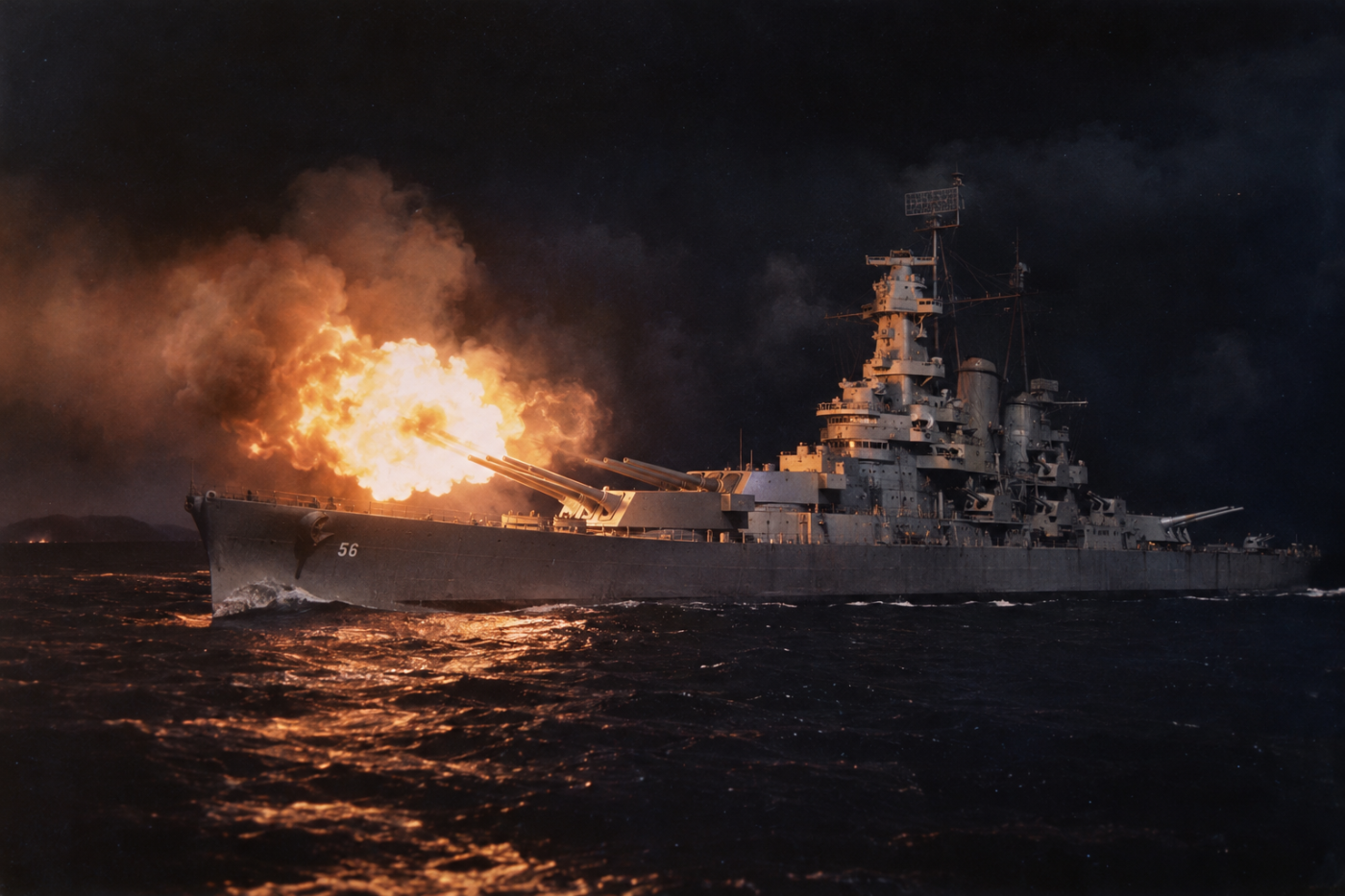
Washington, commanded by Captain Glenn B. Davis with Lee aboard, remained able to fight effectively. Using radar to track the enemy, she engaged Kirishima with her nine 16-inch guns at roughly 8,400 yards. Heavy shells smashed into the Japanese battleship, wrecking vital systems and causing severe flooding. Kirishima capsized and sank in the early hours of 15 November. The destroyer Ayanami was also lost after being crippled in the fighting. Kondō withdrew, leaving Henderson Field beyond the reach of his battleship’s guns. Four surviving Japanese transports reached Guadalcanal and were run ashore. At daylight, American aircraft, coastal artillery and the destroyer USS Meade attacked them. The ships were wrecked, and most of their supplies were lost. Around 2,000 troops got ashore, but only a small fraction of the food, ammunition and equipment needed to support them was landed.
Across the engagements of 12–15 November, the Americans lost two light cruisers and seven destroyers. Several surviving ships were seriously damaged. American deaths are commonly given as approximately 1,732. Japanese losses included the battleships Hiei and Kirishima, the heavy cruiser Kinugasa and three destroyers. The eleven transport ships were sunk or destroyed after beaching. Japanese deaths are generally estimated at around 1,900, although losses aboard the transports make the full toll uncertain.
The battle did not end the fighting on Guadalcanal. Men ashore would continue to endure combat, disease and shortages, and further naval clashes lay ahead. But Japan’s attempt to deliver a major reinforcement convoy under battleship protection had failed. Henderson Field remained operational, and the balance of the campaign shifted decisively towards the Allies. The Japanese evacuation was completed in February 1943. For the sailors who had fought through those November nights, that eventual victory had been bought in burning ships and thousands of lives.