On this day in military history…
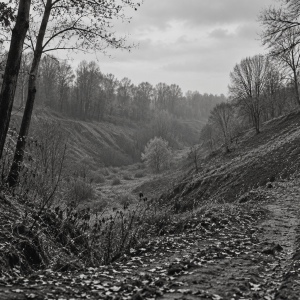
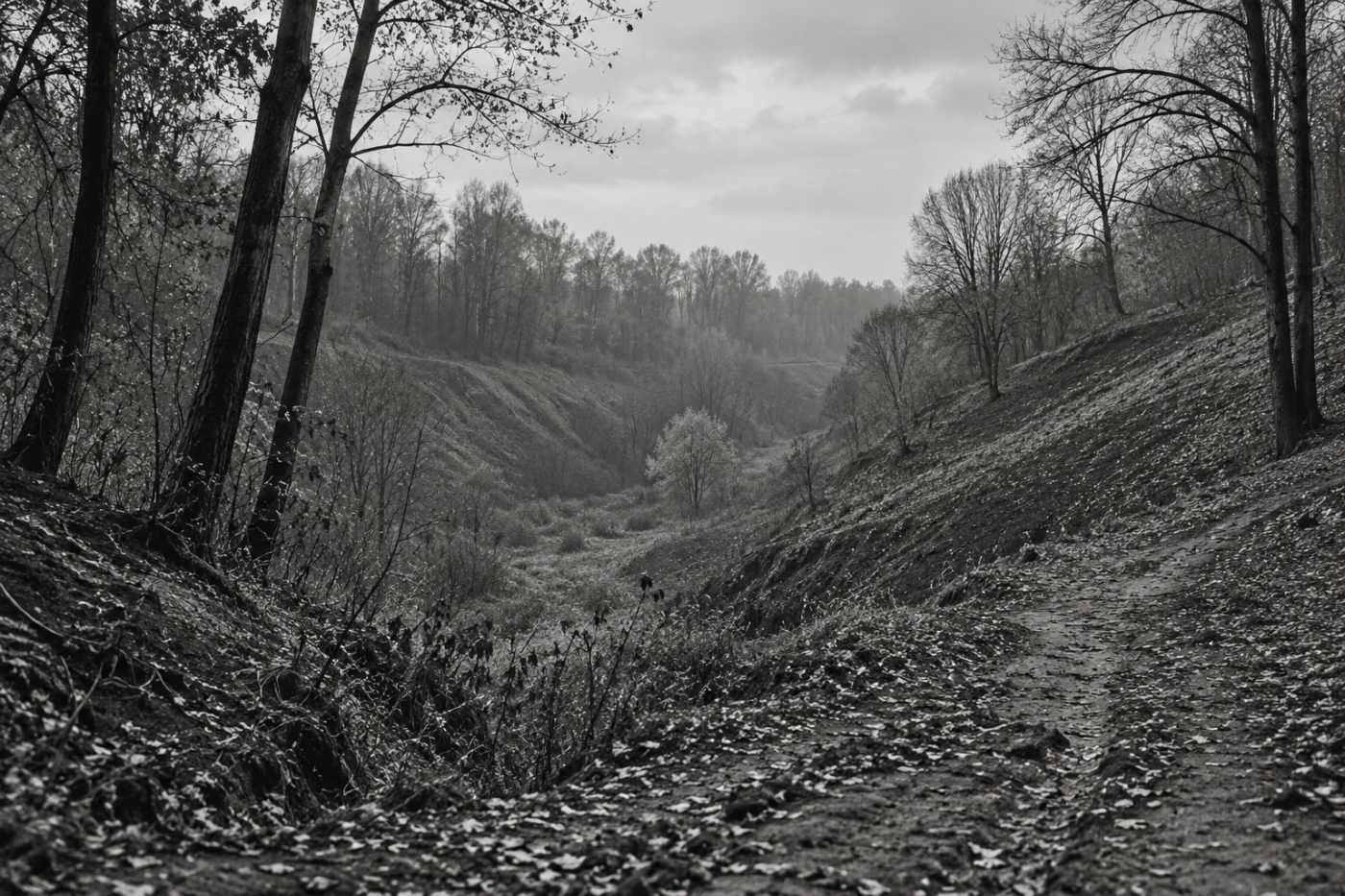
On 29 September 1941, thousands of Jewish families in Kyiv made their way towards the edge of the city. Notices posted by the German occupiers had ordered them to report with their documents, money, valuables and warm clothing. Many believed they were being moved elsewhere. Instead, they were being led to Babyn Yar, a ravine that would become the site of one of the largest massacres of the Second World War. German forces had captured Kyiv ten days earlier. Before the invasion, the city had been home to around 160,000 Jews. Many had fled or were serving in the Soviet armed forces, but roughly 60,000 remained, among them children, older people and those too ill to leave. When mines left by retreating Soviet forces exploded in central Kyiv, the Germans used the blasts as a pretext to murder the city’s remaining Jews.
Families arrived at the assembly point near the Jewish cemetery carrying what they had been told to bring, only to find their route controlled by armed men. German SS and police units, assisted by local auxiliaries, moved them towards Babyn Yar. As they approached the ravine, their belongings were taken, they were forced to undress, and small groups were driven forward to be shot. The killing was directed by members of Einsatzgruppe C, including Sonderkommando 4a under Paul Blobel, and continued through 29 and 30 September. A German report recorded that 33,771 Jewish men, women and children were murdered in those two days. The figure cannot convey the loss of entire families and neighbourhoods. Dina Pronicheva, one of the few survivors, later gave evidence about what she had witnessed.
The killing did not end on 30 September. For the next two years, German forces used the ravine to murder more Jews, as well as Roma, Soviet prisoners of war, patients from a psychiatric hospital and other civilians. Soviet investigators later estimated that around 100,000 people had been murdered at Babyn Yar during the occupation. As the Red Army approached Kyiv in 1943, the Germans forced prisoners to exhume and burn bodies in an attempt to hide the crime. A few escaped and later testified.
After the war, Babyn Yar remained a place of grief, but public recognition of its Jewish victims was delayed for decades. A Soviet monument erected in 1976 did not identify them as Jews. A menorah memorial was finally unveiled in 1991, on the fiftieth anniversary of the massacre. Today, Babyn Yar recalls both the 33,771 people murdered over two September days and the many others killed there before Kyiv was liberated.