Black Rain
In the hours after Hiroshima was devastated on 6 August 1945, survivors began to experience another disturbing consequence of the atomic explosion. Across parts of the city and surrounding countryside, a strange dark rain began to fall from the sky. It later became known simply as “black rain.”
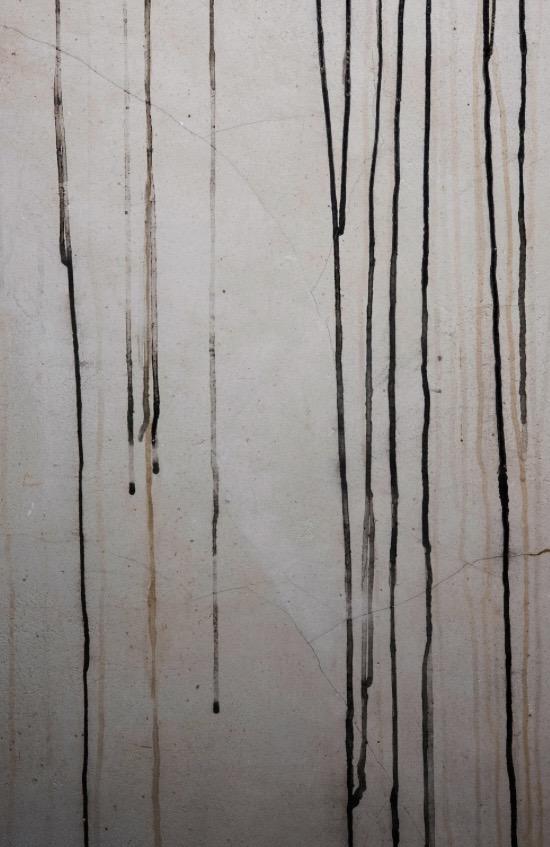
The enormous fireball, collapsing buildings and widespread fires had thrown vast quantities of dust, ash, soot and debris high into the atmosphere. Water vapour condensed around these particles, forming heavy droplets which fell back to earth as dirty, oily-looking rain. Survivors described the drops as unusually large, staining clothing, buildings and skin with dark streaks.
For thousands of people who had escaped the burning city, the rain appeared at first to offer desperately needed water. Hiroshima was extremely hot, fires were raging and many survivors were suffering from terrible thirst. Some reportedly opened their mouths to catch the rain or collected water from puddles, wells and containers without understanding that radioactive material and contaminated debris could also be present.
The heaviest black rain fell mainly to the north and west of Hiroshima during the afternoon. Exactly where it fell and how radioactive individual areas became has remained the subject of decades of scientific research and survivor testimony. Fallout did not fall evenly, with wind direction, rising smoke and local weather conditions affecting where contaminated material was deposited.
People exposed to the rain later reported illnesses including nausea, diarrhoea, weakness, hair loss and other symptoms also experienced by survivors exposed to radiation closer to the explosion. Determining exactly how much of this illness resulted specifically from fallout rather than the many other forms of radiation exposure suffered in Hiroshima has been difficult, particularly because detailed measurements were not available immediately after the attack.
The rain also contaminated roofs, gardens, fields and water supplies. Hiroshima’s survivors had almost no knowledge of radioactive fallout and could not see or smell the radiation that might remain within dust and debris. Families continued to search destroyed neighbourhoods, drink local water and shelter in contaminated areas because there was often nowhere else to go.
In later decades the Japanese government recognised groups of survivors who had been exposed within officially designated black-rain areas, although arguments continued for years over whether the affected region had been drawn too narrowly. Survivor accounts eventually became an important part of efforts to understand how radioactive fallout had spread beyond the immediate centre of Hiroshima.
Today, the term “black rain” has become one of the most haunting descriptions associated with Hiroshima. It represents a danger that continued after the flash and blast had passed: contaminated material descending silently from the sky onto people who had already survived one of the most destructive events in human history.