
On this day in military history…
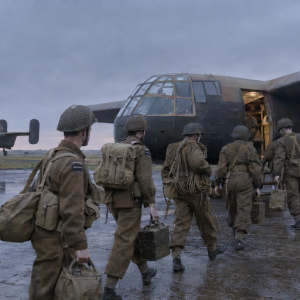
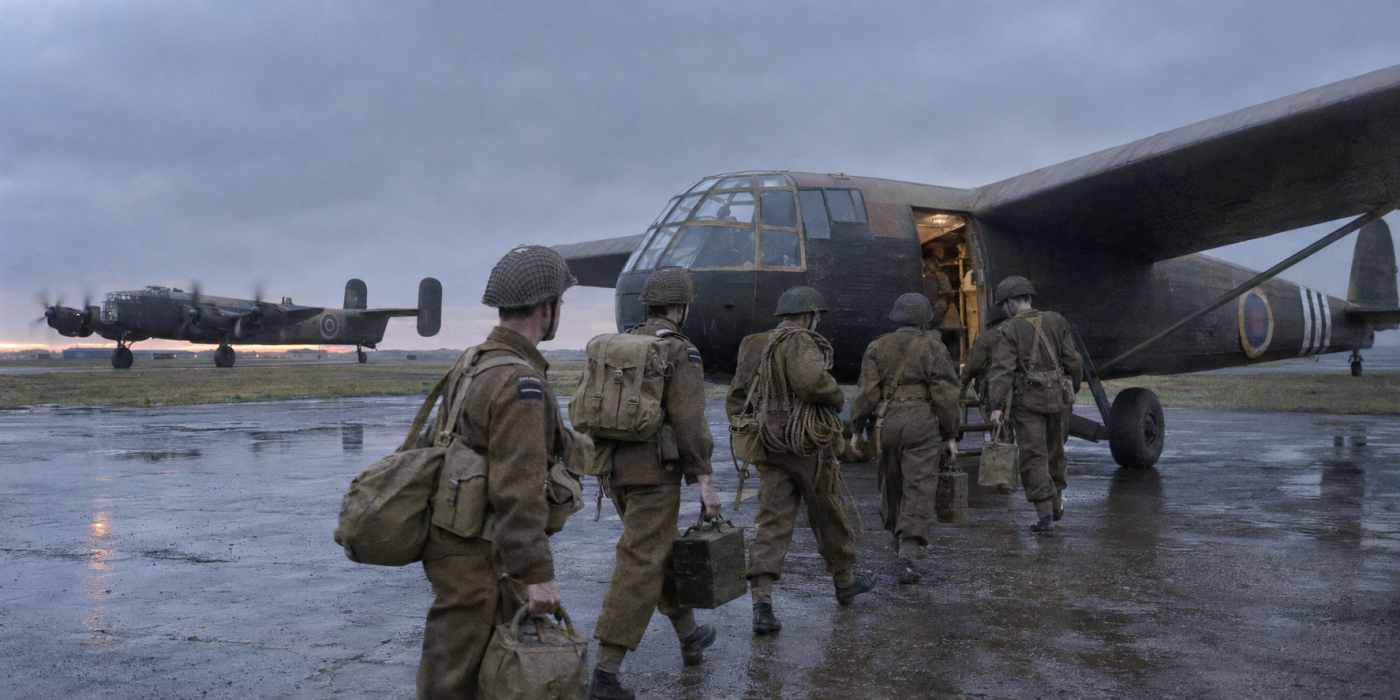
On the evening of 19 November 1942, two Halifax bombers took off from RAF Skitten, near Wick in northern Scotland. Each towed a Horsa glider carrying Royal Engineers and their pilots. Their destination was occupied Norway, where they were to attack an industrial plant connected with Germany’s nuclear research. The mission, codenamed Operation Freshman, would end in disaster before the men reached their objective.
The target was the heavy-water production equipment at the Norsk Hydro plant at Vemork, near Rjukan. Heavy water could support nuclear reactor research, and British leaders feared that supplies from Norway might help Germany develop an atomic weapon. Disrupting that supply was considered an urgent task.
Thirty volunteer Royal Engineers were selected: twenty from 9th (Airborne) Field Company and ten from 261st (Airborne) Field Park Company. Each glider carried fifteen engineers and two pilots. With seven aircrew aboard each Halifax, 48 men took part. Four Norwegian members of the Special Operations Executive, already in the region under Operation Grouse, were to help them locate the landing area and guide them to the factory.
The journey depended on the aircraft and unpowered gliders remaining together across the North Sea and finding their destination in darkness. Over Norway, poor weather, icing and navigation problems prevented the planned landing. The force turned back, but neither glider would return to Scotland.
One Horsa became separated from its towing Halifax and crashed in the steep valley of Fylgjesdalen. Eight of its seventeen occupants died. The Halifax managed to reach Scotland, bringing its seven-man crew home.
The second combination also came to grief. Both the bomber and its glider crashed in south-west Norway. All seven men aboard the Halifax were killed. Three men died in the glider crash, including its two Australian pilots, Pilot Officers Herbert Fraser and Norman Davies. Fourteen survived, only to fall into German hands.
For those who survived the crashes, capture brought no protection. Hitler’s notorious Commando Order demanded the killing of captured personnel engaged in commando operations, even when they wore uniform. The execution of surrendered servicemen under this order was a war crime.
On 20 November, the fourteen survivors from the second glider were executed at Slettebø, near Egersund. Their bodies were concealed in an unmarked grave at Brusand. A Norwegian civilian secretly observed the burial, information that later helped the authorities recover their remains.
The nine survivors of the first glider were also murdered. Four badly injured men were killed by the Gestapo in Stavanger, their bodies weighted down and dumped at sea. The remaining five were eventually taken to Grini prison camp near Oslo. On 19 January 1943, they were executed in Trandum Wood.
Forty-one men died through Operation Freshman: eighteen in the crashes and twenty-three murdered after capture. Every man carried in the two gliders was lost. Only the seven aircrew aboard the returning Halifax survived. For the families, secrecy surrounding the mission meant a prolonged wait for reliable news about what had happened.
The campaign against the heavy-water plant continued. In February 1943, Norwegian saboteurs carried out Operation Gunnerside, successfully attacking the production equipment at Vemork. That later operation became much better known, sometimes overshadowing the men sent on the earlier mission.
Operation Freshman deserves remembrance in its own right. It was an early test of British glider-borne operations, undertaken by volunteers against a target considered vital to the war effort. Its men never reached the factory, but their courage was no less real. Their graves and memorials in Norway preserve the memory of a mission that ended in crashes, captivity and murder.