On this day in military history…
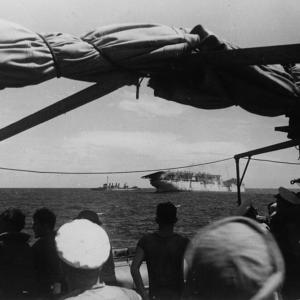
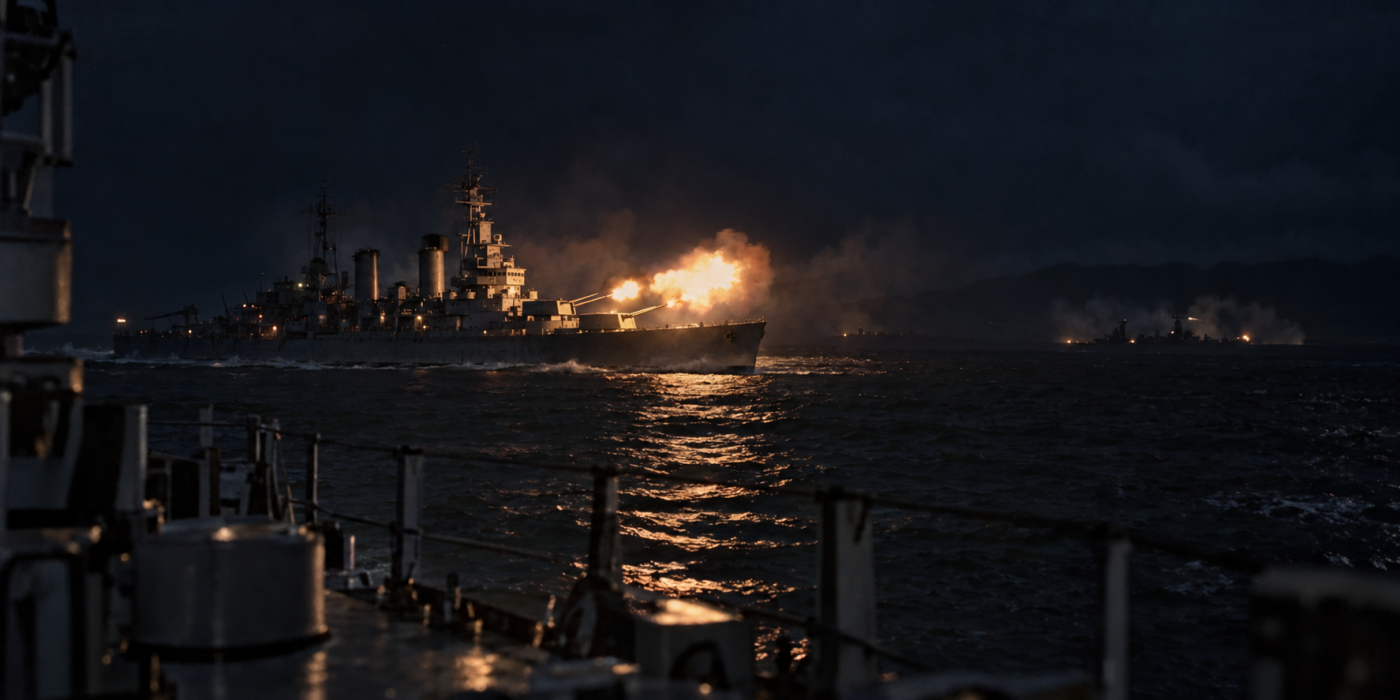
On the night of 11th October 1942, the waters off Guadalcanal erupted in gunfire as American and Japanese warships clashed in the Battle of Cape Esperance. Fought near Savo Island in the Solomon Islands, the engagement continued into the early hours of the following morning and gave the United States Navy an urgently needed success. American Marines had landed on Guadalcanal on 7th August and captured an unfinished Japanese airfield, renaming it Henderson Field. Its aircraft threatened Japanese shipping during daylight, but darkness allowed fast destroyers to deliver troops, ammunition and food on supply runs known to the Allies as the “Tokyo Express”.
The Americans had already suffered a devastating defeat off Savo Island in August, when a Japanese night attack sank four Allied heavy cruisers. Japanese crews were experienced in fighting after dark, and their powerful torpedoes made them dangerous opponents. By October, Rear Admiral Norman Scott was preparing to challenge them, although American methods of identifying targets and coordinating ships at night remained imperfect. On 11th October, the Japanese dispatched a reinforcement convoy alongside a separate bombardment force commanded by Rear Admiral Aritomo Gotō. His heavy cruisers Aoba, Furutaka and Kinugasa, accompanied by the destroyers Fubuki and Hatsuyuki, were ordered to attack Henderson Field.
Scott’s opposing force comprised the heavy cruisers San Francisco and Salt Lake City, the light cruisers Helena and Boise, and five destroyers. He commanded from San Francisco, although Helena and Boise carried more effective surface-search radar. Warned that Japanese ships were approaching, Scott moved to intercept them. Shortly before midnight, Helena detected the enemy, but a turn by the American formation had left some of its destroyers dangerously positioned between the cruisers and the approaching Japanese. Radar could reveal ships in darkness, but distinguishing friend from foe remained difficult.
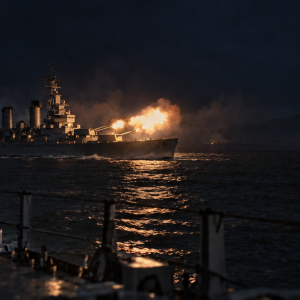
At approximately 11.46 pm, Helena opened fire after Scott’s acknowledgement of a radio message was interpreted as permission to engage. The other American cruisers quickly joined in, catching the Japanese beneath a sudden concentration of shells. Gotō had not expected an American force and initially believed the ships confronting him might be Japanese. Aoba was repeatedly hit, and the admiral received wounds from which he later died. Fubuki was overwhelmed by shellfire and sank, while Furutaka suffered severe damage before going down in the early hours of 12th October. Kinugasa and Hatsuyuki escaped, but the bombardment mission had been abandoned.
The American success came at a heavy cost. Duncan became isolated during an attempted attack and was battered by gunfire, with accounts indicating that both Japanese and American shells struck the destroyer. Fires spread through her compartments, and despite attempts to save her she sank the following day. Farenholt was also damaged, illustrating the danger of fighting in darkness when friendly vessels could be mistaken for enemy targets. Boise suffered the greatest loss of life among Scott’s ships after Japanese shells struck her forward section, causing devastating fires and threatening her magazines. Flooding helped prevent a catastrophic explosion, while damage-control parties fought to keep her afloat.
Boise survived, but 107 of her men had been killed. American deaths across the engagement totalled 163, with many more wounded. Aircraft from Henderson Field subsequently sank the Japanese destroyers Murakumo and Natsugumo during operations connected with the battle’s aftermath. Although Scott had stopped Gotō’s bombardment force, the separate Japanese convoy reached Guadalcanal and unloaded its reinforcements successfully. Cape Esperance was therefore a tactical American victory rather than a decisive interruption of the enemy’s supply route.
For the sailors involved, the battle unfolded through blinding gun flashes, violent impacts and smoke-filled compartments, often with little understanding of events beyond their own ship. The victory restored confidence after Savo Island and demonstrated the value of radar in night combat, while exposing serious weaknesses in communication and recognition. Guadalcanal remained fiercely contested, but Cape Esperance showed that the Americans were learning to challenge Japanese naval superiority after dark, with lessons bought at the cost of ships and lives.