Little Ships Association
The Little Ships Association keeps alive one of the most remarkable stories of the Second World War: the rescue of Allied soldiers from Dunkirk in 1940. Its full name is the Association of Dunkirk Little Ships, often shortened to ADLS, and it brings together the owners and custodians of surviving vessels that took part in the evacuation.
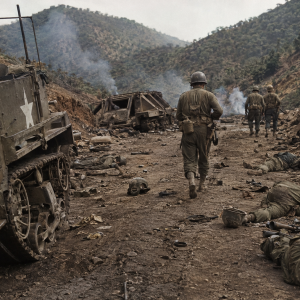
The story began between 26 May and 4 June 1940, when British, French and other Allied troops were trapped around Dunkirk in northern France. German forces had driven through Europe at terrifying speed, leaving hundreds of thousands of men stranded on the beaches and around the harbour. Britain faced the possibility of losing much of its army. Large naval ships helped with the rescue, but they could not always get close to the shore because of shallow water, wreckage, mines and air attack. Small boats were urgently needed.
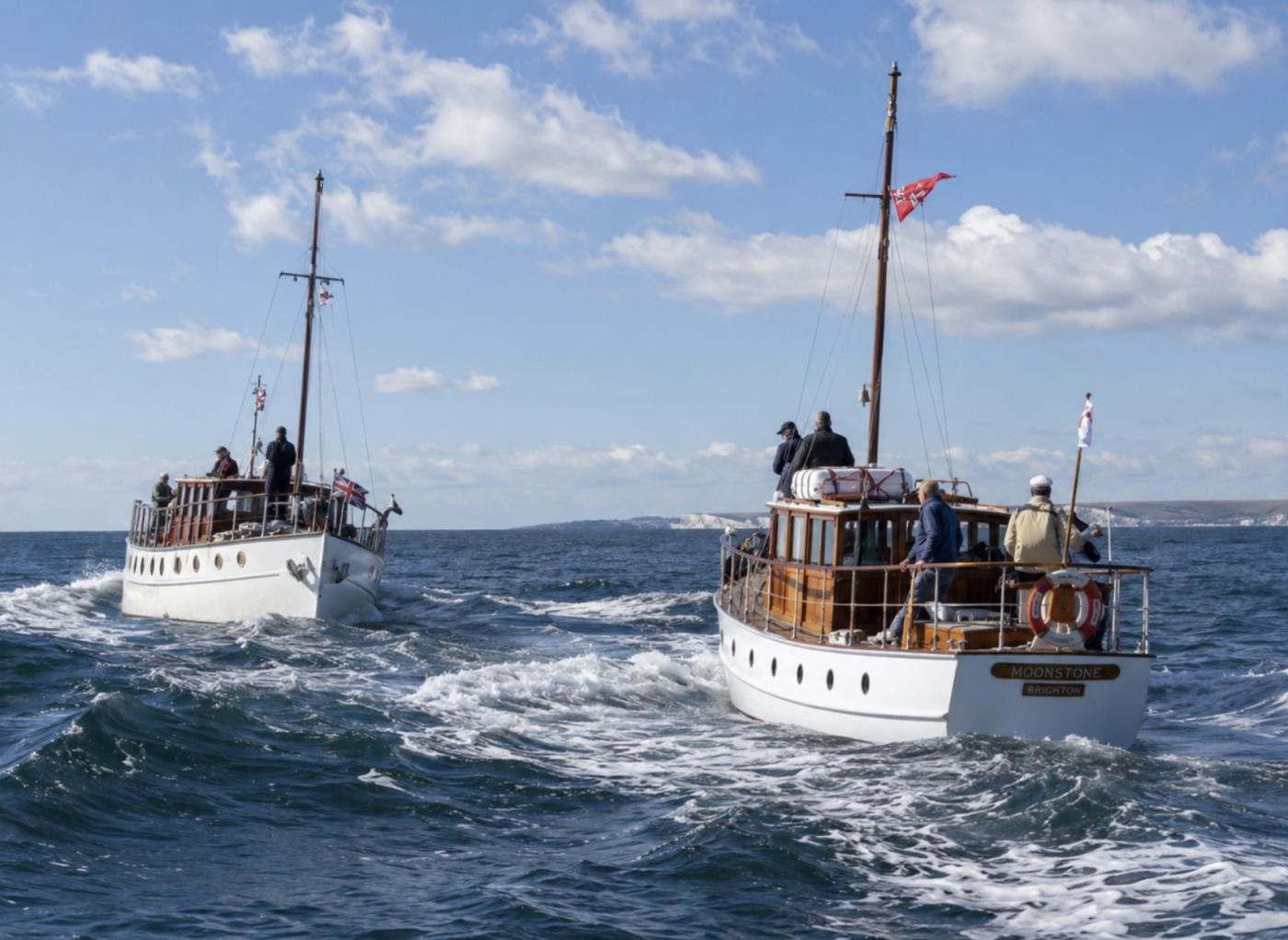
These became known as the Little Ships of Dunkirk. They were not warships in the usual sense. They included fishing boats, motor yachts, lifeboats, pleasure steamers, sailing barges, passenger launches and river craft. Some were taken over by the Navy, some were crewed by fishermen, and some were sailed by their civilian owners. Many had once been used for holidays, day trips or local work. In 1940, they became lifelines.
The ADLS was founded in 1965, twenty-five years after Operation Dynamo, to make sure the surviving boats and their stories were not forgotten. It is a private, not-for-profit members’ organisation rather than a museum in one fixed building. Its members are linked by the vessels themselves, although Ramsgate in Kent remains especially important. Many Little Ships sailed from Ramsgate in 1940, and the harbour is still closely connected with commemorative gatherings and anniversary crossings to France.
One of its most important roles is identifying and recording genuine Dunkirk Little Ships. Over the years, many old boats have been said to have a Dunkirk connection, but not every claim can be proved. Careful research helps protect the truth of the story and preserves the identities of vessels that really did take part. This work matters because the Little Ships are not just attractive historic boats; they are witnesses to one of Britain’s most famous wartime moments.
Every five years, many of the restored vessels make a commemorative return voyage to Dunkirk, often with Royal Navy support. These crossings are moving public acts of remembrance. The boats travel the same waters they crossed in wartime, but now in peace, watched by crowds in Ramsgate and welcomed in Dunkirk. For many people, seeing the Little Ships afloat is far more powerful than reading a name in a history book.
Each vessel has its own story. Some ferried soldiers from the beaches to larger ships waiting offshore. Others carried men all the way back across the Channel. Some made repeated trips. Some were damaged, abandoned or sunk. The surviving craft are now carefully maintained by owners who often spend large amounts of time and money keeping them seaworthy. Old wooden boats are fragile things, and every restoration is a fight against age, weather, salt water and decay.
The Little Ships also remind us that Dunkirk was not a neat or simple victory. It was a military disaster turned into an extraordinary rescue. More than 300,000 Allied troops were saved, giving Britain the chance to continue the war. The evacuation did not defeat Germany, but it preserved the army and created a powerful symbol of courage under pressure.
The phrase “Dunkirk spirit” comes from this moment. It means ordinary people doing extraordinary things in a time of danger. That spirit is easy to romanticise, but the real story was harsh: tired soldiers waiting in the water, smoke over the beaches, constant bombing, overloaded boats and crews taking huge risks. The Little Ships were small, vulnerable and often unsuitable for war, yet they helped save lives when they were desperately needed.
Ramsgate and Dunkirk remain central to the modern memory of the evacuation. Ramsgate was one of the key English ports involved in 1940, while Dunkirk carries the history of the beaches, the harbour and the men who waited there. When the surviving boats gather, they create a living link between the two places and between today’s world and the wartime generation.
The work of the ADLS is valuable because living memory of Dunkirk is almost gone. Few people remain who saw those events first-hand. The boats therefore carry the story forward. They allow younger generations to stand beside the actual craft, see how small they were, and imagine what it must have meant to cross the Channel under attack.
The Little Ships Association is more than a gathering of historic boat owners. It is a guardian of memory, a keeper of names, vessels and stories. Through research, restoration, public events and return voyages, it makes sure that the courage shown in 1940 is not allowed to fade. The boats may be small, but their place in history is immense.