1993 Iraq Missile Strike
In June 1993, the United States launched a missile strike on Iraq for a reason that sounded almost like something from a spy thriller: Washington believed Saddam Hussein’s intelligence service had tried to assassinate former President George H. W. Bush.
The story began not in Baghdad, but in Kuwait. In April 1993, Bush visited Kuwait to be honoured for leading the coalition that expelled Iraqi forces during the Gulf War of 1990–91. During that visit, Kuwaiti authorities uncovered what they said was a plot to kill him with a car bomb. A Toyota Land Cruiser had allegedly been smuggled into Kuwait from Iraq carrying a large quantity of explosives. Seventeen suspects were arrested, and the evidence was passed to American investigators.
The Clinton administration said FBI forensic experts and U.S. intelligence agencies concluded that the bomb and the plot were linked to the Iraqi Intelligence Service. That mattered enormously. Bush was no longer president, but he had been the commander-in-chief who led the war against Saddam Hussein. If Iraq really had tried to kill him after he left office, it was not only revenge against one man; it was an attack on the dignity and security of the United States itself.
President Bill Clinton had only been in office for a few months. He had defeated Bush in the 1992 election, yet he decided that an attempt on his predecessor’s life required a military response. This was one of the most interesting political features of the crisis: Clinton was defending the man he had just replaced. It sent a message that American presidential authority continued beyond party politics. An attack on a former president, Clinton argued, could not be treated as ordinary terrorism.
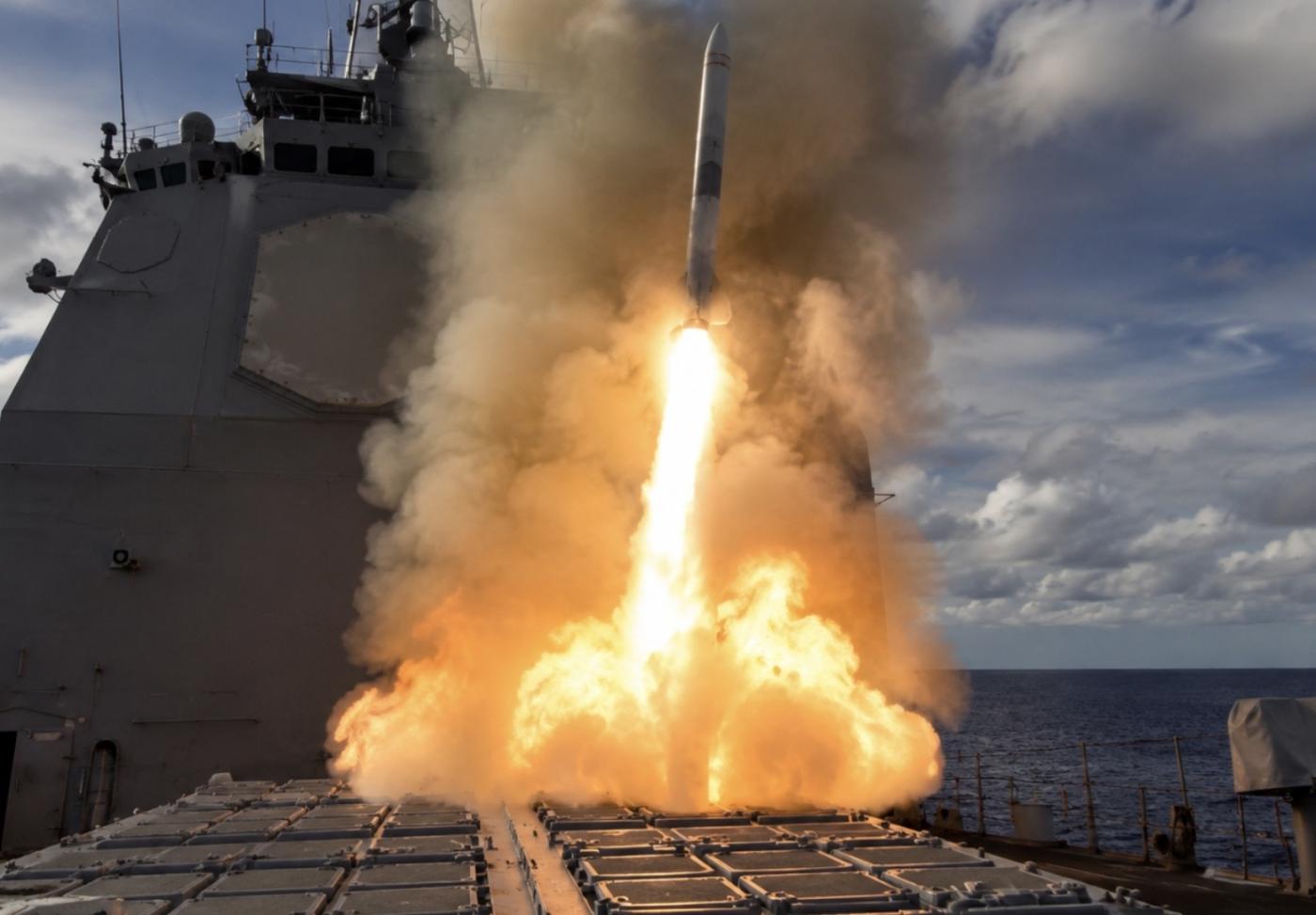
On 26 June 1993, Clinton ordered U.S. Navy ships in the Red Sea and Persian Gulf to fire Tomahawk cruise missiles at the headquarters of the Iraqi Intelligence Service in Baghdad. The target was not chosen at random. The United States claimed it was the very organisation that had planned the assassination attempt. The attack was meant to punish Iraq, damage its intelligence network, and warn Saddam Hussein not to attempt anything similar again.
Twenty-three Tomahawk missiles were launched. These were long-range, low-flying weapons designed to strike with precision from far offshore. The use of cruise missiles allowed the United States to hit Baghdad without sending pilots over heavily defended Iraqi airspace. The strike was also symbolic: it showed that even after the Gulf War had ended, Iraq was still vulnerable to American military power.
Clinton addressed the American people that same evening. He said there was “compelling evidence” that Iraq had plotted to assassinate Bush and that the plot had been directed by the Iraqi intelligence service. He presented the missile strike as a limited act of self-defence, not the beginning of a new war. The White House also argued that the strike was legal under Article 51 of the United Nations Charter, which recognises the right of self-defence.
The attack was dramatic, but it was not clean in every respect. U.S. officials said the intelligence headquarters was heavily damaged, but reports also said civilians were killed or injured when some missiles missed or struck nearby areas. Iraq condemned the strike as aggression, while the United States insisted it had acted only after careful investigation. At the United Nations, U.S. ambassador Madeleine Albright defended the action and presented the American case to the Security Council.
The strike also revealed a wider truth about the 1990s: the Gulf War had not really settled America’s conflict with Saddam Hussein. Iraq remained under sanctions, no-fly zones were being enforced, weapons inspections were continuing, and relations between Baghdad and Washington stayed hostile. The 1993 missile strike was one episode in a long period of confrontation that eventually led to much larger crises.
One of the most fascinating aspects of the incident is how personal and geopolitical motives overlapped. Saddam Hussein had survived the Gulf War, but he had been humiliated by Bush’s coalition. The alleged plot against Bush looked like revenge. Clinton’s response, in turn, was not just about protecting one former president; it was about warning hostile governments that they could not attack American leaders and escape punishment.
The strike was also important for Clinton personally. Early in his presidency, he was often seen as more focused on domestic policy than foreign affairs. By ordering a direct military response, he tried to show that he was willing to use force when American interests and national honour were threatened. It was a moment when a new president had to prove that he could act decisively on the world stage.